Custodian Hex Trust Launches Digital Assets Pilot With Philippines’ Union Bank
Hong Kong’s Hex Trust is expanding to the Philippines where demand for digital assets and cryptocurrency is high
Source: Shutterstock
- Hong Kong-based digital asset custodian Hex Trust has announced a partnership with a major bank in the Philippines to expand into the market
- Hex Trust executives say demand for digital assets is high in the country, particularly for remittances and gaming
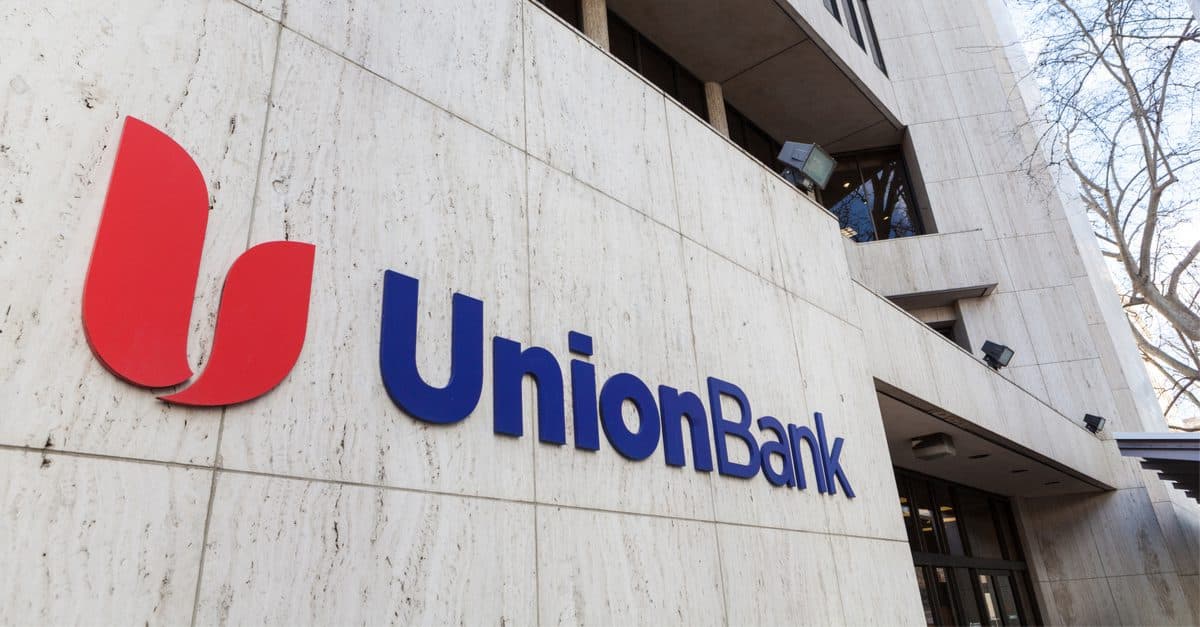
Hex Trust, one of the major digital assets custodians in Hong Kong, announced a partnership with Union Bank of the Philippines in order to expand its custodian service into the country.
According to a release from Hex Trust, the collaboration will start as a pilot between Hex Trust and employees at Union Bank before rolling out a fully commercialized digital asset custody service for the bank’s customers. UnionBank said that this will all be supervised by the country’s central bank, Bangko Sentral ng Pilipinas (BSP).
The Philippines has historically had significant interest in digital assets because of its large diaspora of overseas workers, which send around $2 billion a month back to the country. But the problems are that this is all reliant on unregulated, unlicensed crypto exchanges. Likewise, the promise of digital assets and DeFi providing an alternative to developing nation’s lackluster capital markets requires an insured and regulated place to store the virtual goods, which is where Hex Trust can step in.
“There are growing levels of both retail and institutional interest in [digital assets] within Southeast Asia as well as increasing banking level adoption. This partnership demonstrates Hex Trust’s ability to provide their services to one of the leading bank-grade custody platforms in the region,” Alessio Quaglini, CEO of Hex Trust, told Blockworks in an email. “We’re seeing high retail demand at present, which is attracting the attention of institutions that are now starting to enter the market.”
Quaglini also says that the regulatory regime in Southeast Asia is less restrictive than in Europe or the US, making it easier for digital assets and fintech companies to set up shop.
In an earlier interview with Blockworks, Jason Choi, an executive at Spartan Group, a digital asset fund which recently launched a $50 million DeFi fund citing similar reasons.
Mobile gaming has always been big in Southeast Asia as game consoles are a rarity reserved for the rich, and often even mid-range mobile phones are more powerful than the low-end notebooks many locals have at home. Quaglini points to the growth of blockchain gaming in the region, like Axie Infinity, the first crypto and NFT game to breach $1 billion in sales, as another reason why institutional-grade crypto infrastructure is needed.
For DeFi to fulfill its promise of being the great equalizer of financial access, moves like this are the first step. Hex Trust nor UnionBank have given a timeline to when they expect to implement the custodian services, but given the demand from both retail and institutional investors it’s expected to happen soon.