Can ‘Gross Metaverse Product’ Replace GDP Metric? Dubai Thinks So
New metaverse strategy announced at the Dubai Metaverse Assembly plans to make the city of Dubai a Web3 hub
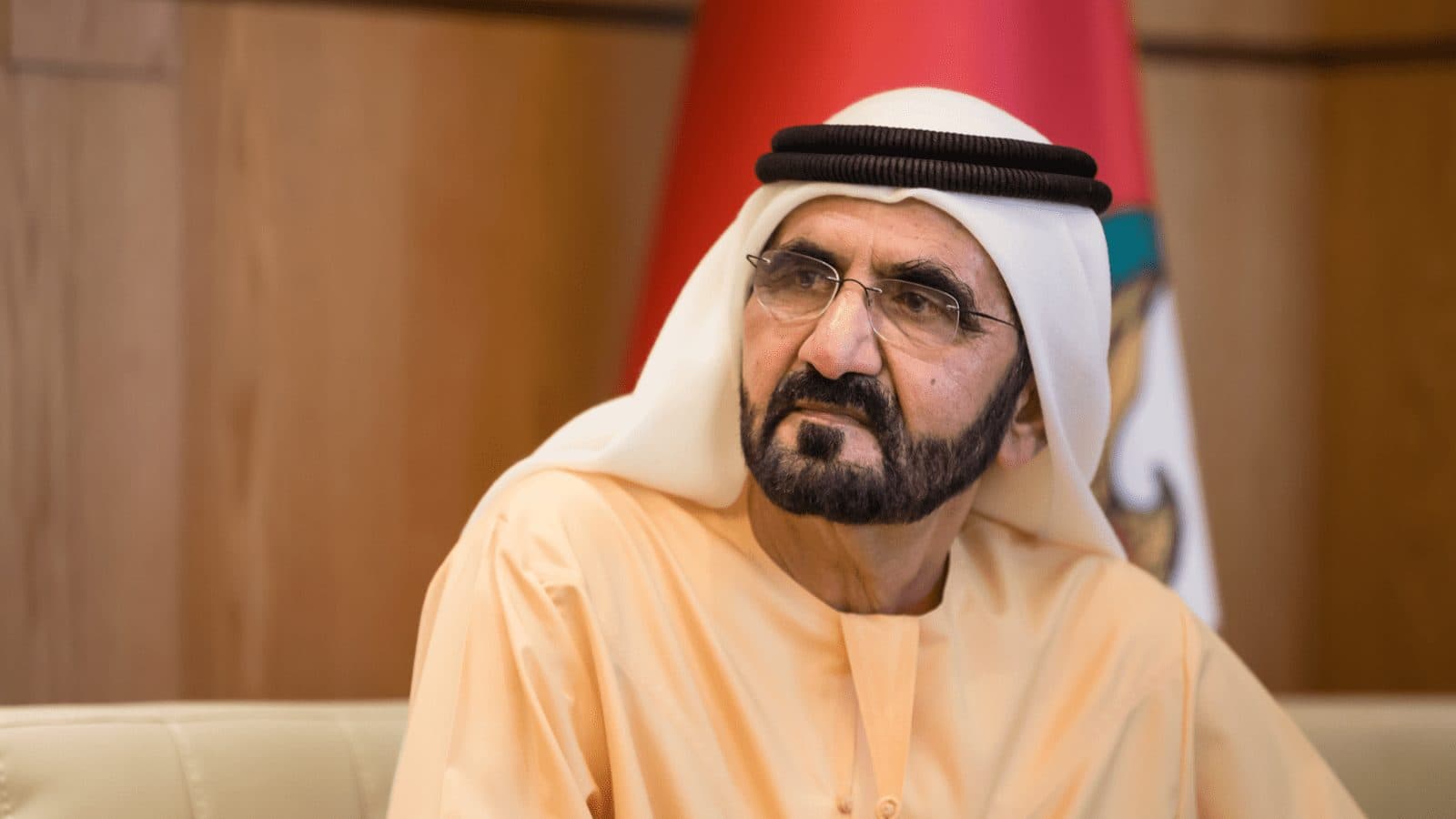
Sheikh Mohammed bin Rashid Al Maktoum, Dubai ruler | Source: Shutterstock
- UAE aims to measure sectors of tourism, education, retail, real estate and government
- While most metaverse projects have taken place in the private sector, the UAE wants to determine how a government can leverage the potential of the metaverse
The UAE is taking a bold crypto twist when it comes to the global standard for measuring a country’s economy, traditionally denominated in gross domestic product (GDP).
The nation’s latest initiative: employing the new metric of gross metaverse product (GMP) — the move, while perhaps gimmicky, has been closely watched by digital assets players as the latest indicator of a major government taking the asset class seriously. It remains to be seen whether the nascent standard will have much sticking power.
Omar bin Sultan Al Olama, minister of state for artificial intelligence, digital economy and remote work applications, laid out the decision to go all in on crypto and Web3 during the Dubai Metaverse Assembly on Wednesday.
The end goal for the UAE is to prove the metaverse, eventually, could carry enough of a market capitalization that it would rival some of the world’s largest economies.
“Gross metaverse product will be able to create billions of dollars in returns for Dubai without people being physically in the emirate but experiencing it in the metaverse,” Al Olama said at the Museum of the Future in Dubai.
While most metaverse projects have taken place in the private sector, the UAE wants to determine how a government can leverage the potential of the metaverse on its own accord. It would also allow the UAE to set its own regulatory rules that would not necessarily apply to related, privately-funded projects.
The US has the world’s largest GDP, with $23 trillion on a nominal basis, and China has the second largest with $17 trillion.
However, the UAE’s economy grew by an estimated 8.2% in the first quarter of 2022, and real GDP is expected to grow 5.4% this year, according to the central bank.
The nation state’s Prime Minister and Ruler of Dubai Sheikh Mohammed bin Rashid Al Maktoum attributed 2022’s rapid economic growth to foreign trade, higher oil prices and tourism. He cited a 42% increase in the number of hotel guests so far this year via Twitter on Sept. 11.
When it comes to the UAE’s metaverse strategy, the main sectors to be measured are tourism, education, government services, retail and real estate.
And a task force will be launched to bolster tourism, according to the minister. The UAE Ministry of Economy will also establish a virtual “office” with an auditorium to hold meetings and sign contracts in the metaverse.
Other UAE Web3 initiatives include granting operation licenses to exchanges Binance and Crypto.com, partnering with Unstoppable Domains to gift domains to women in Abu Dhabi and adding bitcoin as a payment option for Emirates Airline.
The UAE is serious about creating a GMP and may now have to prove that the market capitalization of metaverse initiatives can be measured and tracked. Perhaps NFT sales may contribute to this new metric.
Samuel Huber, CEO of metaverse company LandVault, appears to be optimistic and “excited” about the news according to a LinkedIn post.
“As we increasingly live online, and boundaries with the physical world are blurring,” the UAE understands that the metaverse may be a growth lever, he said.
Get the news in your inbox. Explore Blockworks newsletters:
- The Breakdown: Decoding crypto and the markets. Daily.
- 0xResearch: Alpha in your inbox. Think like an analyst.