Nifty Gateway Wants NFT Curators to Sell Art with ‘Publishers’ Pilot
The platform wants to translate traditional art curation into a Web3 career by enabling Shopify-style shopfronts for selling NFTs
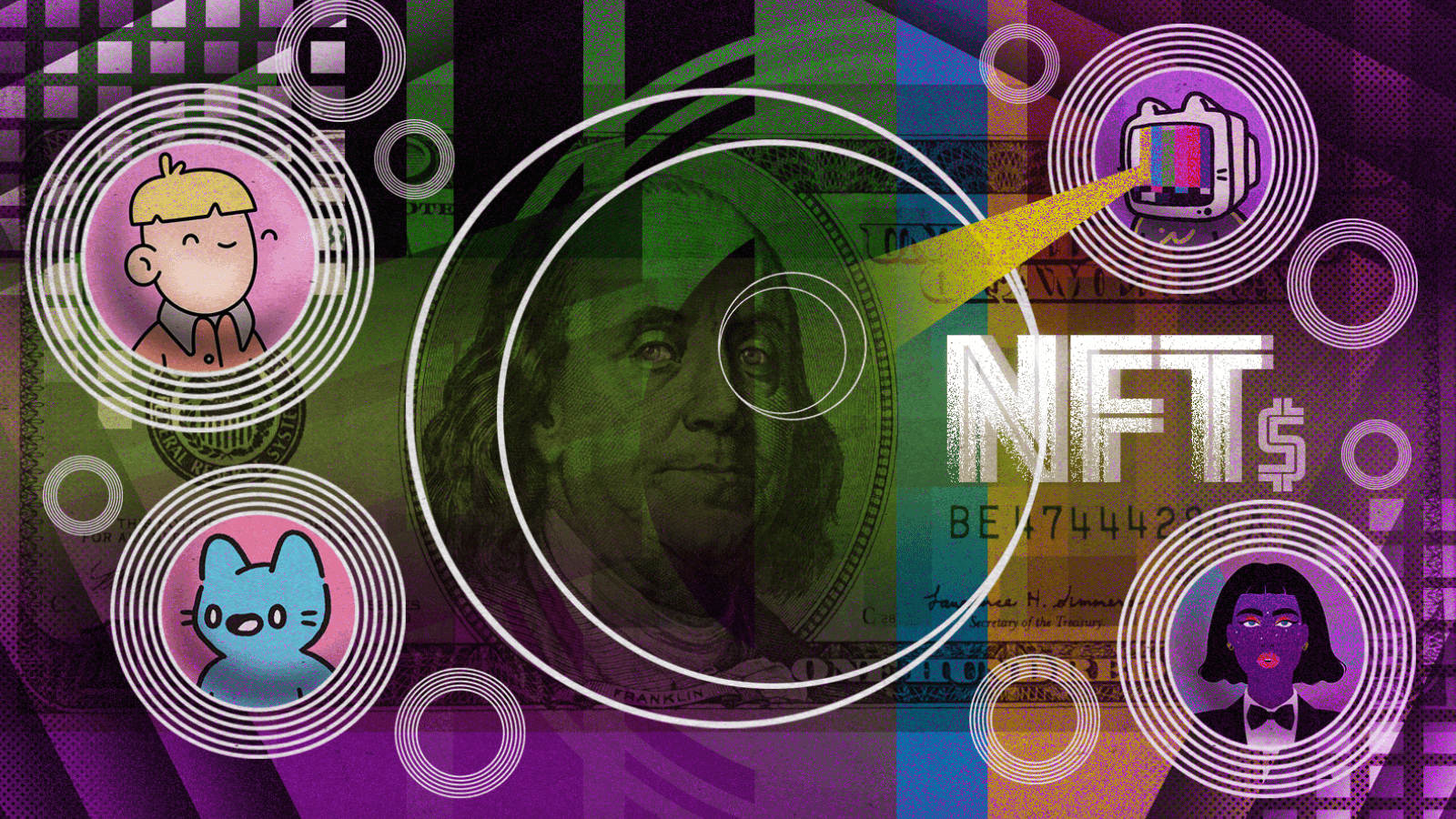
Blockworks Exclusive Art by Axel Rangel
- Nifty Gateway’s new Shopify-like pilot enables curated digital art storefronts
- “The best way to help artists is to have more curators,” co-founder Duncan Cock Foster told Blockworks
As NFT trade volumes slump across the board, Nifty Gateway, the Gemini-owned NFT art marketplace, hopes to inspire digital art curators to start minting with their own custom storefronts.
Traditional art world curators usually partner with artists to develop career strategies, which often involve securing effective gallery displays to help sell their art.
In a bid to translate that endeavor to the NFT landscape, Nifty Gateway’s “Publishers” pilot — a beta program — will see 50 curators select a roster of artists and operate their own NFT storefronts, in the style of e-commerce giant Shopify.
Publishers can drop first-come first-served releases, one-of-one auctions and open editions, which have no limit on the number of NFTs available in a mint.
Duncan Cock Foster, Nifty Gateway’s co-founder, told Blockworks the “biggest, missing piece” in the NFT space is tooling built specifically for art curators. The digital art space is lacking the so-called “gallery layer” from the traditional art market.
Nifty Gateway already enlists in-house curators to help artists release collections, in contrast to non-curated NFT marketplaces like OpenSea or Rarible. The company says it has worked with 400 artists to earn more than $500 million since 2018.
“There’s a limit to the number of artists we can curate. You really have to have a strategy to succeed as an artist,” Cock Foster said. “The best way to help artists is to have more curators.”
Can NFT curators boost Nifty Gateway volumes?
Cock Foster expressed that the new Publishers pilot is an attempt to guide a fresh crop of curators — and eventually artists — to increase the amount of people earning a living by selling NFTs full-time.
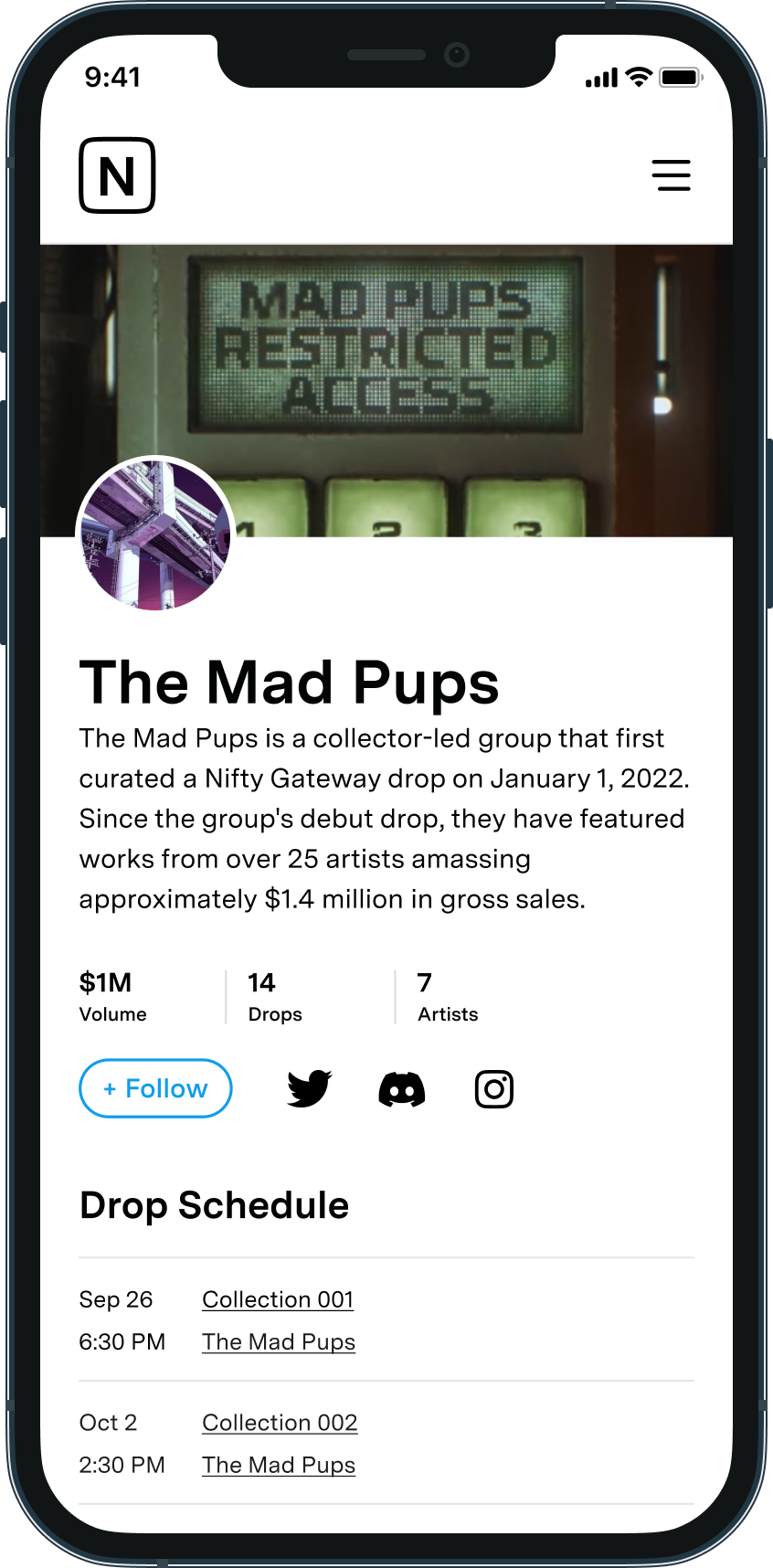 Publishers store-front screenshot. Source: Nifty Gateway
This initiative comes at a time when NFT trade volumes have shrunk significantly since their peak earlier this year.
OpenSea, the largest NFT marketplace, has seen its dollar-denominated trade volumes plummet to lows not seen in more than a year. Trade volumes topped out on May 1 at $405.7 million, a week which saw daily averages of around $163.7 million, per DappRadar. Now, daily volumes are now averaging less than $11.5 million — representing a drop of more than 90%.
While OpenSea caters to secondary sales, Nifty Gateway is a much smaller platform aiming to service NFT art collectors. Still, Nifty is processing only a dozen trades per day on average, compared to OpenSea’s 50,000-plus. The platform notably handled just three NFT sales on Wednesday, together worth $2,800, according to NonFungible.com.
No doubt, stats like these have encouraged Nifty Gateway to strategize, now turning to curators in an effort to attract volume.
Over time, the firm plans to expand its Publishers program to include artists releasing their own works and brands with NFT projects.
Recently, Nifty Gateway enabled Mastercard credit card payments for users who prefer to pay in fiat rather than crypto.
Get the news in your inbox. Explore Blockworks newsletters:
- The Breakdown: Decoding crypto and the markets. Daily.
- 0xResearch: Alpha in your inbox. Think like an analyst.