Teller Finance Introduces DeFi-Native Lending Market in Singapore
Blockworks exclusive: The DeFi protocol now allows the ability for individuals in the country to receive loans ranging from $500 and $6,000
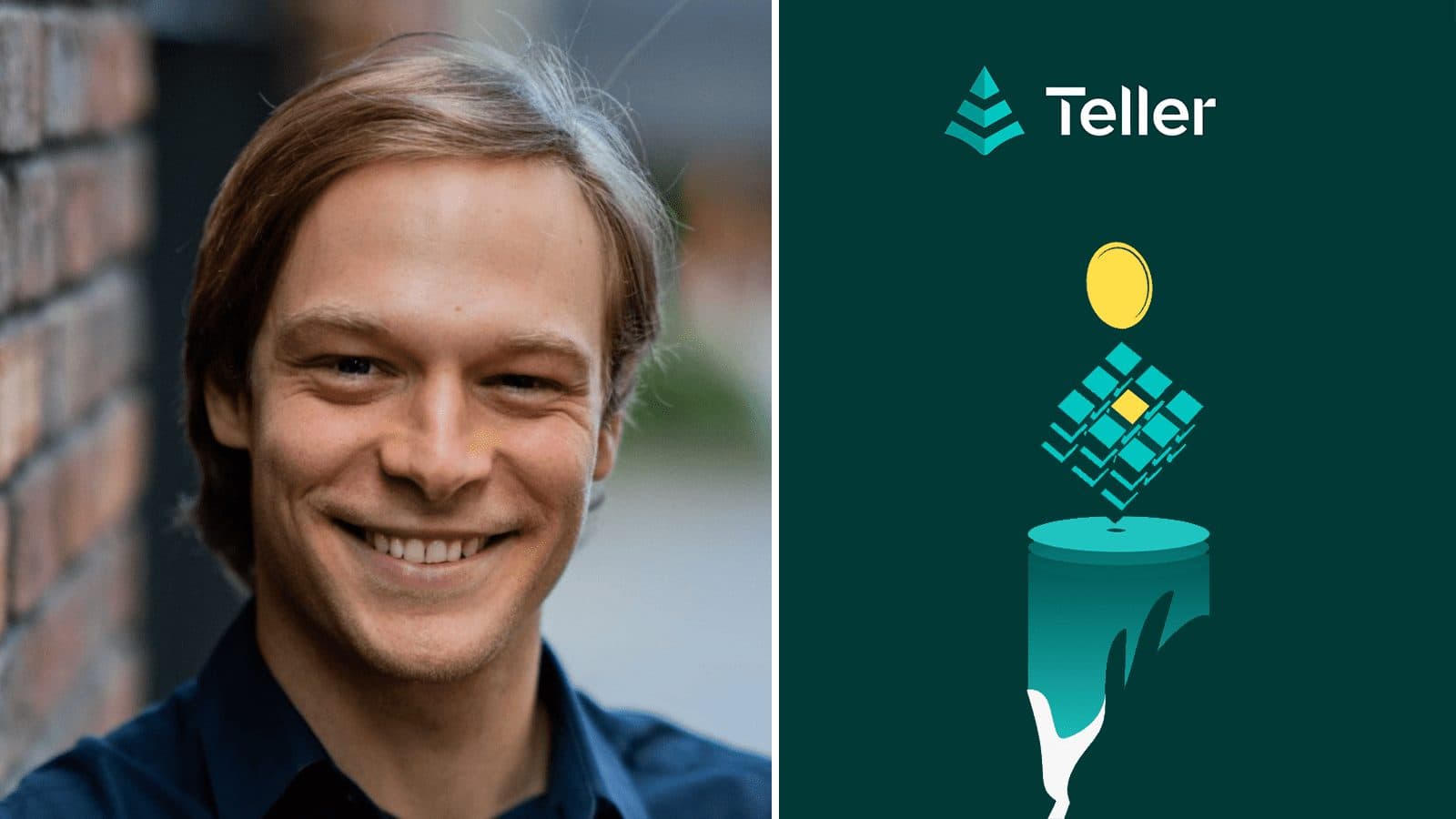
Ryan Berkun, Founder & CEO at Teller Finance; Source: linkedin.com/in/ryan-berkun-47a61a10b/
- Lenders can access annual percentage yields (APYs) as high as 13.75%, while borrowers are exposed to APYs as low as 8%
- DeFi products “to look and feel more like traditional financial products” in the future, Teller CEO says
DeFi protocol Teller Finance has unveiled a decentralized and unsecured lending market in Singapore aimed at helping consumers in the country obtain funds for various expenses.
Called SG Loans, the service was developed in partnership with Signum Capital to allow people to obtain personal unsecured loans without the need of a bank or traditional loan provider.
This is the first time individuals will be able to fund personal loans with their cryptocurrency in an emerging market, according to Ryan Berkun, Teller Finance’s founder and CEO. Lenders can access annual percentage yields (APYs) as high as 13.75%, while borrowers are exposed to APYs as low as 8%, he noted.
Founded in 2020, Teller is a decentralized, non-custodial liquidity pool where users can participate as liquidity providers by depositing assets, or borrowers by connecting their bank accounts or staking Fortune Teller NFTs.
The protocol works similar to a limit order book, enabling borrowers to associate off-chain data with on-chain loan requests. Lenders and borrowers that have matching bids/asks transact directly, the company explained. Those requesting to borrow assets propose a loan request, and those supplying assets commit those assets to loan requests of their choosing.
“The Teller protocol is an excellent demonstration of how TradFi data can be used to enhance the zero or under collateralized lending on-chain. DeFi users can now borrow based on their credit rating from the Singapore Credit Bureau,” Signum Capital Partner YY Lai said in a statement.
“The Teller protocol has proven an ability to bring TradFi and DeFi components together. It is truly incredible how TradFi and DeFi combined ultimately benefit the mass market, rather than just crypto natives.”
In addition to having partners in the country, such as fund management company Signum Capital, aiding the launch, there has been a rapid increase in crypto interest among Singaporean consumers, Berkun said.
The total investment value of the crypto space in Singapore increased from $110 million in 2020 to roughly $1.5 billion last year, the executive noted.
A third of Singapore citizens have accessed a personal loan in the past 12 months, according to Teller. The primary use of funds includes daily living expenses, supporting family and financing a mortgage.
SG Loans offers loans ranging from $500 and $6,000, and they are given to borrowers in USD Coin (USDC).
“Moving forward, we expect DeFi products to look and feel more like traditional financial products,” Berkun told Blockworks. “At the same time, we aim to bridge DeFi with traditional offerings, so individuals can use their cryptocurrency to fund traditional loans.”
In addition to personal loans, Teller is currently establishing other markets for mortgages, auto loans and other financial products.
“We have pilots we’ve been working on behind the scenes that we anticipate launching this spring and summer,” Berkun said.
The SG Loans launch comes a month after Teller closed a $6.85 million funding round led by Blockchain Capital. Other participants included Franklin Templeton and Toyota Ventures.
Get the news in your inbox. Explore Blockworks newsletters:
- The Breakdown: Decoding crypto and the markets. Daily.
- 0xResearch: Alpha in your inbox. Think like an analyst.