UK To Regulate Stablecoins as a Form of Payment Via New Bill
The UK’s bill, introduced to parliament on Wednesday, follows the EU’s approach to regulating stablecoins while repealing union-era law
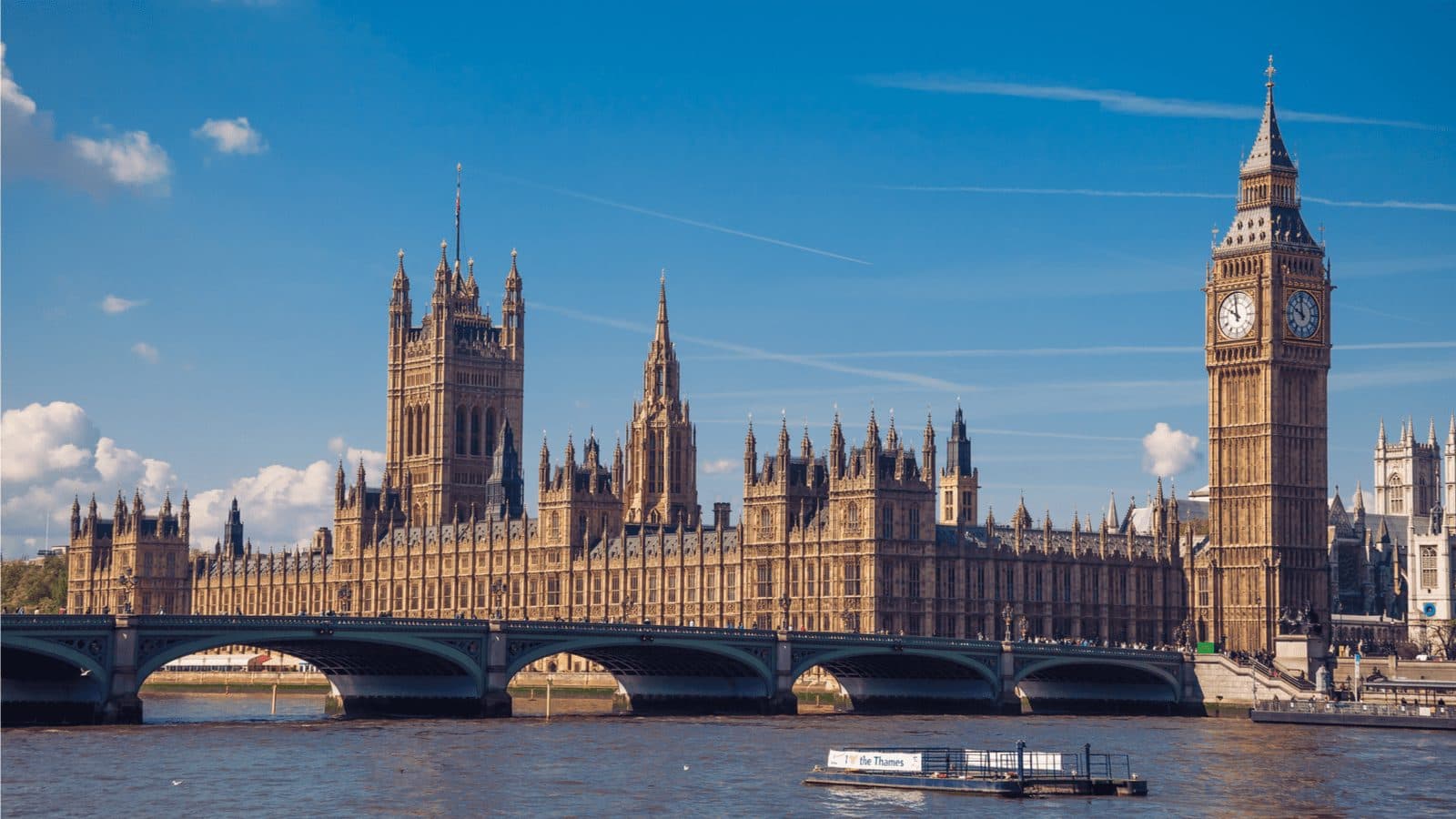
Houses of Parliament in London | Source: Shutterstock
- The bill seeks to regulate stablecoins as a form of payment, bringing the nascent tech in line with the country’s existing rules centered on financial services
- Financial Markets Infrastructure Sandboxes will also be established to allow firms to test new technologies and practices in isolated environments
The UK’s Treasury said Wednesday it will seek to regulate “certain types” of stablecoins as a form of payment in a wide-ranging financial bill designed to phase out hundreds of pieces of EU-retained law.
The Financial Services and Markets Bill, introduced to the lower house in parliament, will also provide the government with new powers to direct regulators to review their financial rules under conditions of what is deemed as public interest.
It comes as the EU — which separated from UK when Brexit finally took effect in early 2020 — moved similarly on stablecoin regulation via the Markets in Crypto Assets (MiCA) bill, late last month.
Specifically, MiCA will subject large stablecoin issuers to strict operational and prudential rules with further limits dependent on their wide use as well as applying a cap to those issuers of 200 million euros ($203.3 million) in daily transactions.
Both MiCA and the UK’s latest bill are seeking to tackle the view held by regulators worldwide of a perceived threat to financial stability posed by stablecoins following the fallout of Terra’s collapse in May.
Financial Markets Infrastructure Sandboxes, included in the UK’s Financial Services bill, will also be created in a bid to allow firms to test new technologies and practices.
The sandboxes, typically an isolated testing environment before go to market products are released to the general public, would allow for increased efficiency, transparency and resiliance of new fintech products including crypto, UK’s Treasury said in a statement.
“Today is a landmark day for financial services in the UK,” Nadhim Zahawi, chancellor of the exchequer, said in the statement.
To maintain the UK’s position as an international and competitive financial center, the bill will reform EU-derived legislation governing the UK’s capital markets, ensuring the country’s rulebook remains fair and outcomes-based. It must also maintain high regulatory standards, the chancellor said.
Get the news in your inbox. Explore Blockworks newsletters:
- The Breakdown: Decoding crypto and the markets. Daily.
- 0xResearch: Alpha in your inbox. Think like an analyst.