Galaxy Digital’s Stock Rises Despite Posting $555M Q2 Net Loss
“I hope it’s the worst quarter this firm ever has,” CEO Mike Novogratz says
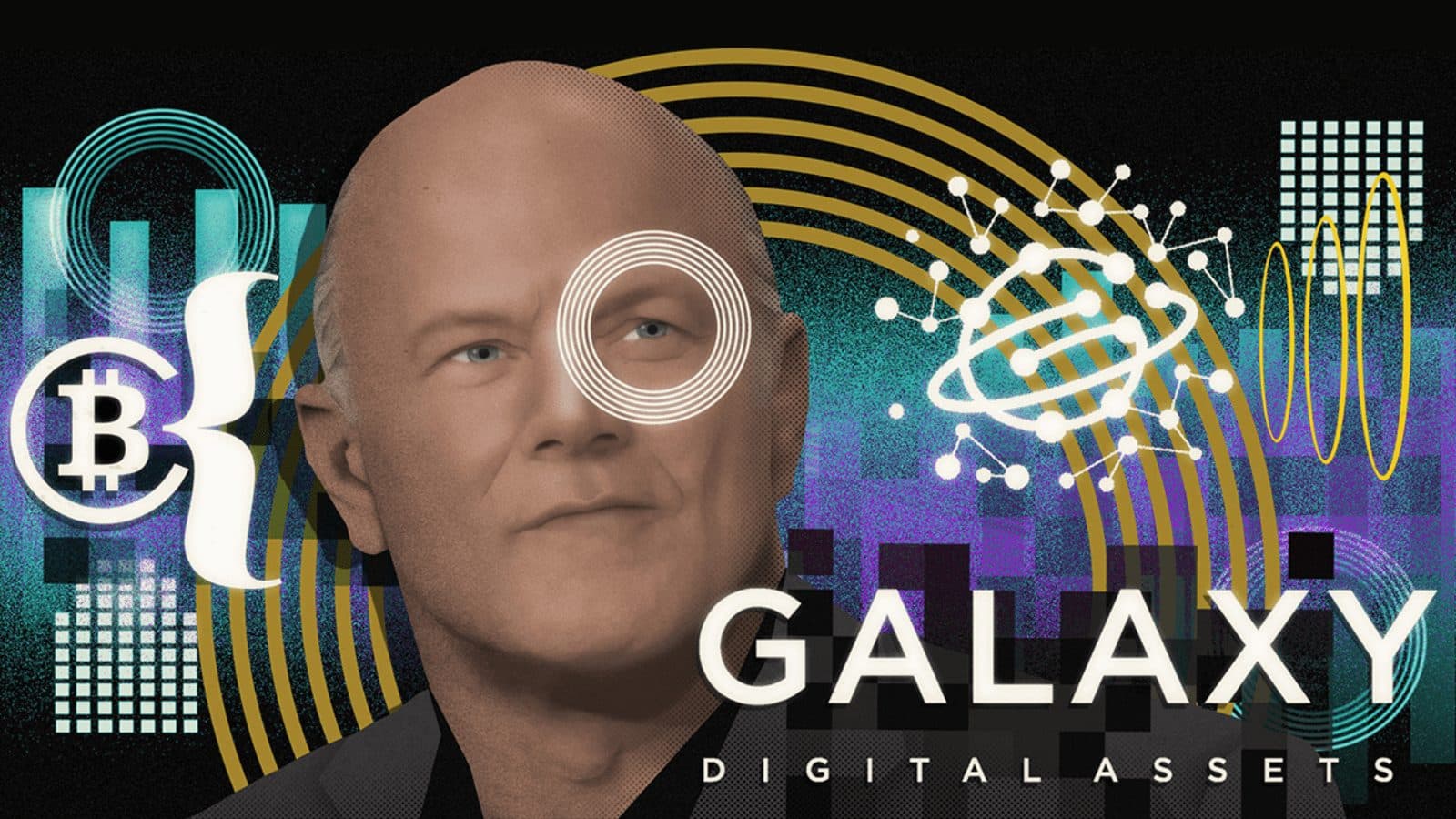
Blockworks exclusive art by axel rangel
- The company’s assets under management stood at $1.7 billion at the end of Q2, down 40% from the prior quarter
- Mike Novogratz labels BlackRock’s deal with Coinbase “a monumental shift” for the industry
Galaxy Digital’s stock price was rising Monday morning despite the firm reporting a net loss of roughly $555 million in the second quarter.
The crypto-focused company’s loss comes after Galaxy logged a net loss of about $112 million during the first quarter. Still, the firm’s stock price was $9.09 at 11:30 am ET — up more than 20% on the day. The stock is down about 60% year to date.
“To put the year in perspective, if you took our losses this year plus our gains last year, we still made over $1 billion in a growth business while we’re investing a ton,” CEO Mike Novogratz said during the company’s earnings call Monday. “As bad as that $550 million headline number feels, I don’t feel nearly as bad as I thought I would, and I hope it’s the worst quarter this firm ever has.”
The increased loss was due to unrealized losses on digital assets on investments within Galaxy’s trading and principal investments businesses due to digital asset prices. The losses were partially offset by gains within the firm’s mining business, which logged record revenue of about $11 million during the quarter.
Galaxy’s net digital assets position stood at $474 million at the end of June — down from $910 million at the end of March due to the selling of certain liquid positions to increase its cash position and overall decreases in digital asset prices.
The company’s assets under management stood at $1.7 billion at the end of the second quarter, down 40% from the prior quarter. Galaxy has $1.5 billion in liquidity, including more than $1 billion in cash, Novogratz said.
Novogratz wrote in a letter to shareholders in May that the company was able to dodge headwinds associated with the collapse of Terra’s UST stablecoin and LUNA token. Deepak Kaushal, analyst for BMO Capital Markets, said in a research note that month that Galaxy does not own algorithmic stablecoins and exited its $400 million position in LUNA during the first quarter.
Galaxy’s credit portfolio had one instance of a credit impairment in the quarter of about $10 million stemming from the Three Arrows Capital insolvency, executives said.
“While the crypto landscape is less certain than it was, my confidence of where it’s going in the medium term hasn’t waned a bit,” Novogratz said. “We are a growth company; we are investing in people, in product and engineering teams for not the next six months but for the next six years.”
While some crypto firms are laying off employees, Novogratz said, Galaxy intends to increase its headcount from 375 to more than 400 staffers by the end of the year.
Novogratz also called BlackRock’s recent deal with Coinbase, which gives institutional clients of the asset manager’s Aladdin platform access to bitcoin, “a monumental shift.”
“Crypto’s not going away,” the CEO said. “While retail really got hurt in this, institutions were just starting to get in, and so we see nothing but forward progress there.”
Get the news in your inbox. Explore Blockworks newsletters:
- The Breakdown: Decoding crypto and the markets. Daily.
- 0xResearch: Alpha in your inbox. Think like an analyst.