S&P Global and Chainlink launch on-chain stablecoin risk assessments
Partnership enables S&P’s stablecoin stability data to flow directly into DeFi systems via Chainlink
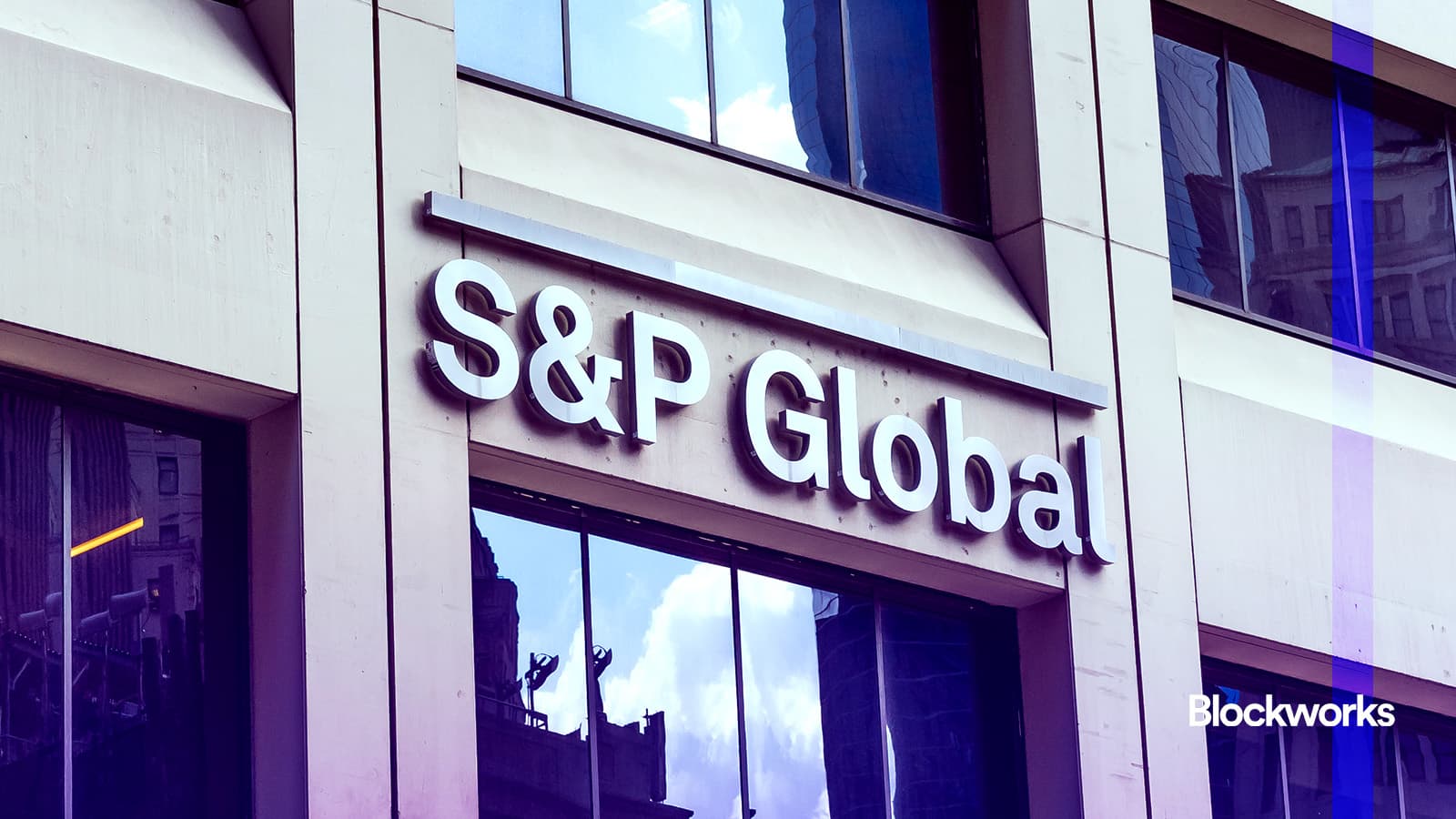
valerii eidlin/Shutterstock and Adobe modified by Blockworks
S&P Global Ratings has partnered with Chainlink to publish its stablecoin stability assessments on-chain.
The collaboration uses Chainlink’s institutional-grade DataLink oracle infrastructure to deliver S&P’s independent stablecoin risk evaluations directly to decentralized finance (DeFi) applications and institutional systems.
The SSAs rate a stablecoin’s ability to maintain value parity with fiat currencies on a scale from 1 (very strong) to 5 (weak).
While not formal credit ratings, the assessments analyze key factors such as collateral quality, liquidity management, and governance controls.
By embedding these evaluations into smart contracts through Chainlink’s decentralized network, DeFi protocols and investors can access real-time stability insights for automated risk management and lending decisions.
Chuck Mounts, Chief DeFi Officer at S&P Global, said the launch reflects the firm’s aim to “meet clients where they are” as institutional adoption of digital assets accelerates. Chainlink co-founder Sergey Nazarov called the integration “a critical step” in enabling traditional market standards to guide on-chain finance.
The move follows S&P Global’s 2023 debut of its Stablecoin Stability Assessments and expands the company’s data reach into blockchain ecosystems. It also aligns with broader efforts to bridge traditional finance with DeFi, joining similar Chainlink integrations from institutions like Deutsche Börse and the U.S. Department of Commerce.
S&P Global Ratings’ collaboration with Chainlink builds on a gradual expansion of its digital asset coverage since 2021.
The firm has previously analyzed stablecoin reserves, crypto-backed lending, and tokenization frameworks across traditional credit markets. In December 2023, S&P launched its first stablecoin assessments, evaluating tokens USDC, USDT and others.
This is a developing story.
This article was generated with the assistance of AI and reviewed by editor Jeffrey Albus before publication.
Get the news in your inbox. Explore Blockworks newsletters:
- The Breakdown: Decoding crypto and the markets. Daily.
- 0xResearch: Alpha in your inbox. Think like an analyst.