Bahamas DARE Bill Clamps Down on Crypto After FTX Debacle
A bevy of sweeping changes to digital asset reform in the Bahamas is expected to take effect this quarter
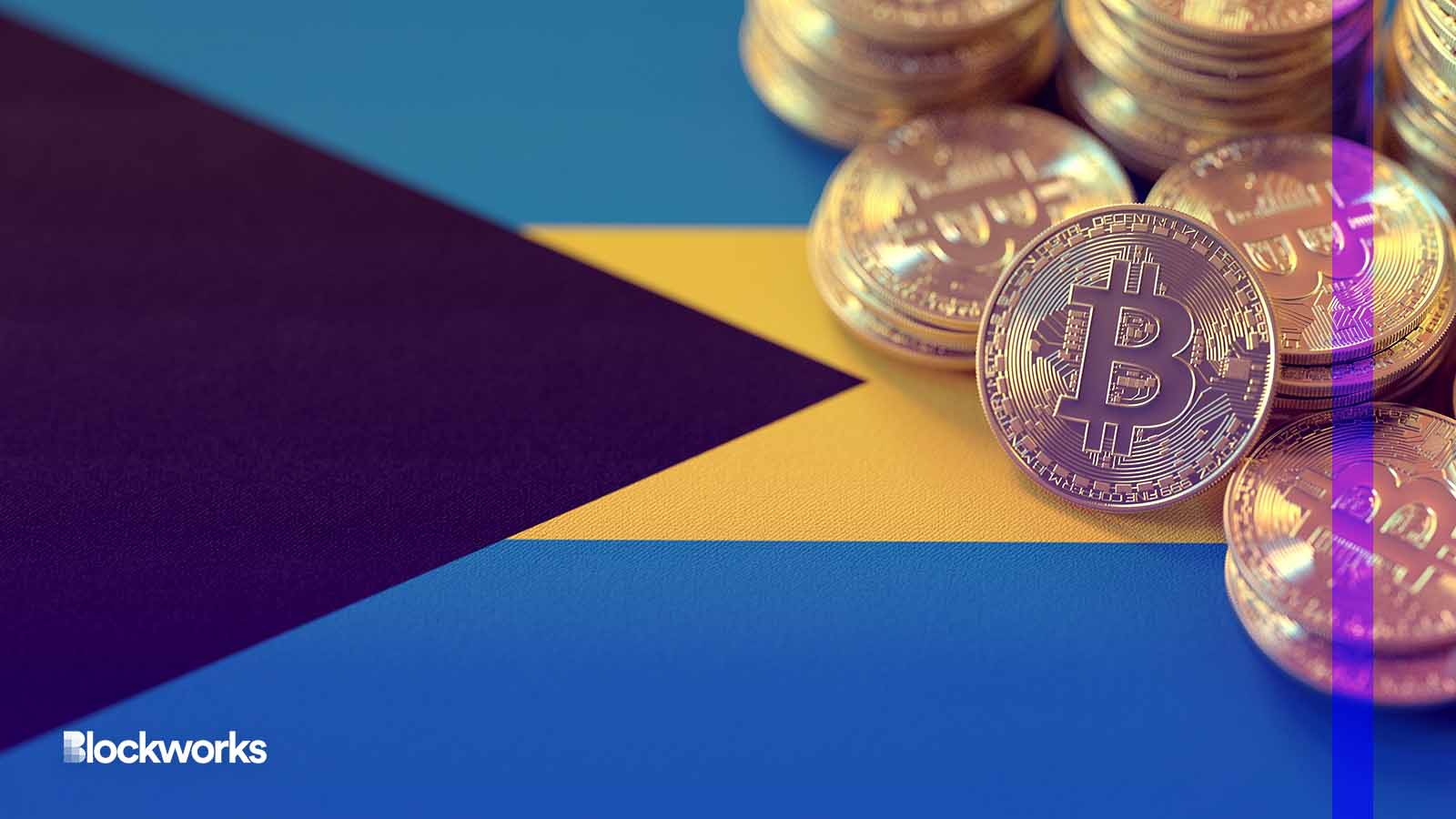
max.ku/Shutterstock modified by Blockworks
The Bahamas’ securities watchdog has opened up a consultation period for the country’s Digital Assets and Registered Exchanges (DARE) Bill following months of FTX damage control.
The bill, which is expected to come into effect by the end of Q2, aims to be one of the most “advanced” pieces of digital asset legislation globally, according to a Wednesday statement.
New regulatory frameworks will be designed to ensure the Bahamian legislative regime is “current, proactive and compliant” with international standards, per the statement.
Specifically, the legislation seeks to bolster investor protections and increase risk management from industry-related firms while enhancing provisions for market innovation and development.
Strengthened measures for operating crypto exchanges, financial and reporting requirements and stablecoin regulation will also be in focus.
For those intending to operate an exchange in the country, businesses will be required to prove they have systems in place to handle the scale and nature of their activities.
DARE is also said to provide provisions on staking, advice on the management of digital asset activities and distributed ledger network nodes.
Sam Bankman-Fried’s bankrupt crypto exchange FTX was headquartered in the Bahamas. The firm, which filed for bankruptcy last November, was allegedly riddled in corruption and fraud, spurred by commingling and misappropriating user funds.
Changes to reporting requirements offer insight into the way in which regulators are viewing the fallout.
Required client disclosures, ongoing safekeeping practices and accessibility of digital assets will also be required by exchanges — a subtle nod to last year’s FTX debacle.
The issuance of algorithmic stablecoins will also be “expressly” prohibited following lessons learned from the collapse of the Terra ecosystem in May 2022.
Finally, under DARE, NFTs will be categorized based on whether they are considered financial instruments or consumer assets.
Members of the public may participate in the consultation period which has already kicked off and is intended to close by May 31, 2023.
Get the news in your inbox. Explore Blockworks newsletters:
- The Breakdown: Decoding crypto and the markets. Daily.
- 0xResearch: Alpha in your inbox. Think like an analyst.