India’s Government to Regulate, Not Ban Crypto
Local media reports conclude the government will regulate crypto as a commodity, and prohibit its use as a payment mechanism, while building infrastructure for KYC/AML around fiat gateways.
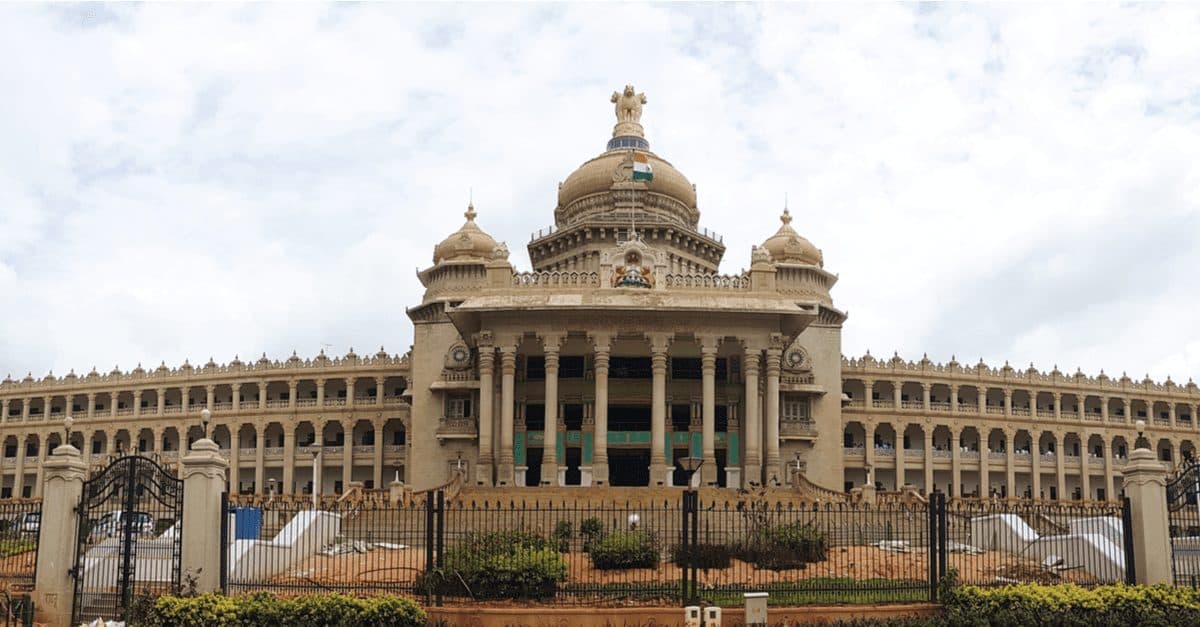
The Indian Parliament building in New Delhi; Source: Shutterstock
- A CNN affiliate in India has confirmed that the government isn’t seeking a total crypto ban with its new bill, but rather mechanisms to regulate the asset class as a commodity
- The government is particularly concerned about crypto’s potential role in financing terrorism
On Wednesday, Blockworks reported on language in a recent bill before India’s parliament that mentioned a ban of all “private cryptocurrency”. Local media in the country have now confirmed with their government sources that the government’s intent is something different.
According to a local CNN Affiliate in-country, the government intends to regulate crypto and is primarily concerned with its use in the underground economy and terror financing. A wholesale ban is not in the works.
To do this, the government intends to not recognize crypto as tender and put in a comprehensive KYC/AML mechanism at the various fiat gateways in-country.
“A strict mechanism will be in place so that law enforcement agencies can trace the origin of cryptocurrency used for illegal or anti-national work,” CNN’s sources said.
Speaking with CNBC’s Squawk Box Asia, Avinash Shekhar, co-CEO of Zebpay, an exchange, said that their initial discussions with the government had “positive vibes.”
“There has been lots of positive vibes from the government. We met the finance committee of Parliament around two weeks back,” he told CNBC.
“The message or the feelers which we are getting from the government is that they’re looking for some kind of regulation — strict regulation, but not a complete ban.”
Regardless, local traders in India engaged in extensive panic selling, thinking that the ban would be more extensive than initially reported.
On WazirX, an Indian exchange, bitcoin traded at a 15% discount at one point before recovering.
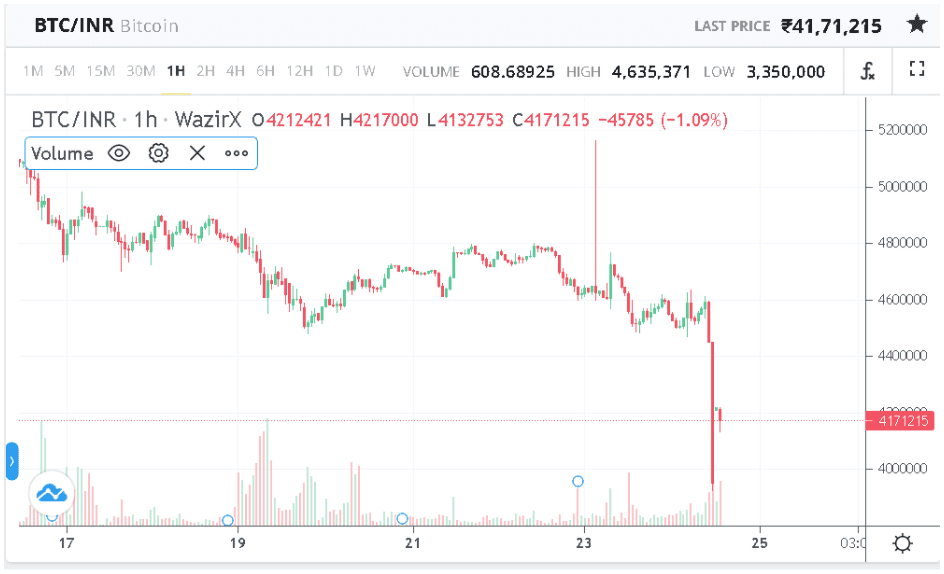 Source: WazirX
Since then, the panic selling has subsided and prices have leveled out.
A report from Bloomberg also said that the government isn’t planning a wholesale ban, but may consider limiting the accessibility of exchanges to accredited investors.
Globally, the price of bitcoin has remained steady at $57,984 down 2.4% over the last 24 hours according to CoinGecko.
Get the day’s top crypto news and insights delivered to your inbox every evening. Subscribe to Blockworks’ free newsletter now.