Paradigm: SEC’s Temporary Securities Theory Could Have ‘Unintended Effects’
Paradigm is urging a court to reject the SEC’s “novel idea” that crypto tokens are securities for as long as they “embody” an ongoing investment scheme
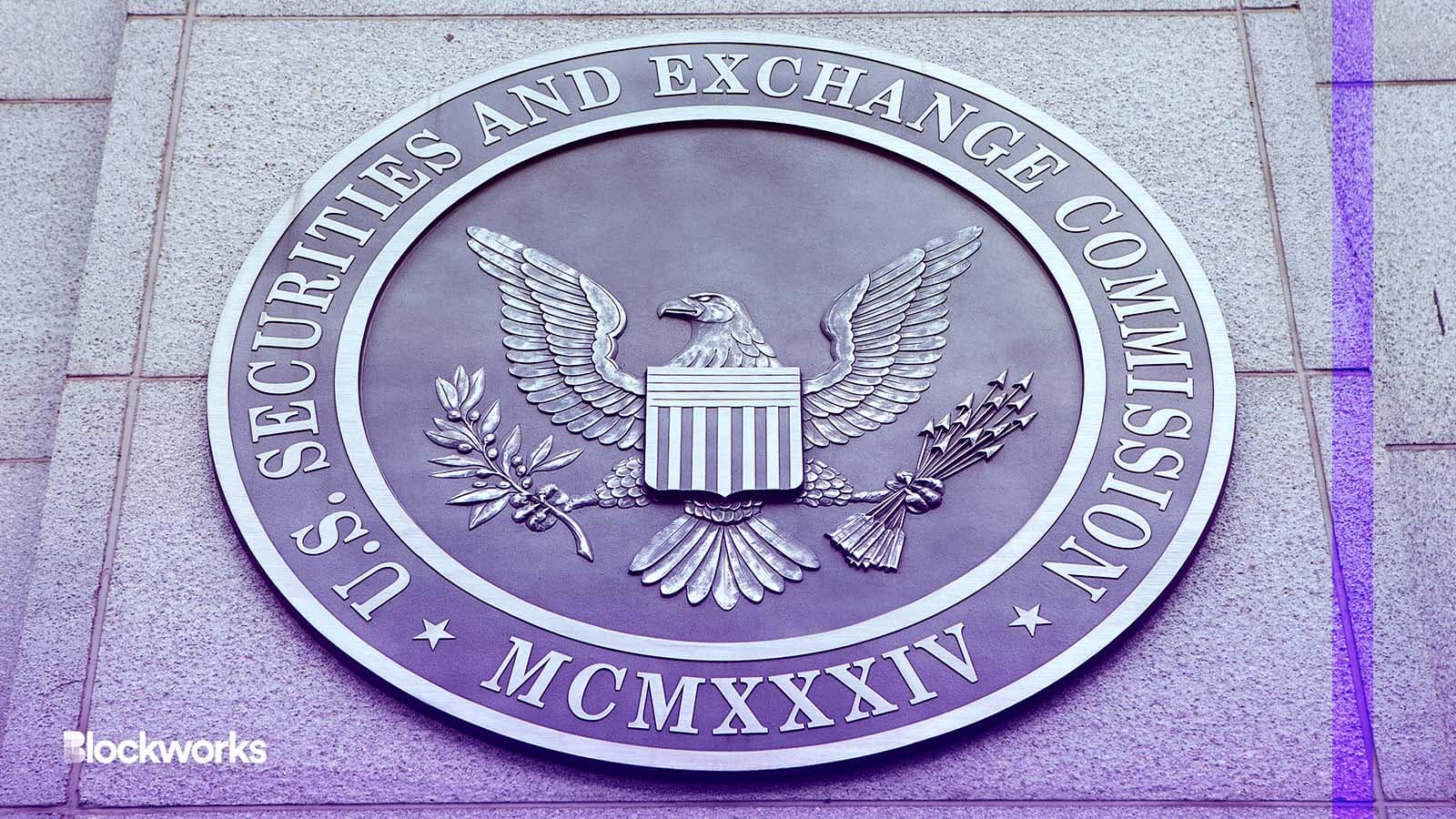
Mark Van Scyoc/Shutterstock modified by Blockworks
Crypto investment firm Paradigm is urging the courts not to embrace what it argues the SEC is pushing for — that crypto tokens are essentially temporary securities.
The argument came in an amicus brief — insight filed by an entity who is not a party in a legal case — in the SEC’s case against Ishan Wahi.
US authorities charged Wahi, a former product manager at Coinbase, with wire fraud last July as part of an alleged scheme to commit crypto-related insider trading. He pleaded guilty to two counts of wire fraud conspiracy in Manhattan federal court last month.
But the SEC’s case against Wahi is ongoing. Judge Tana Lin, of the US district court for the western district of Washington, allowed Paradigm’s amicus brief to be filed on Monday, Paradigm crypto counsel Rodrigo Seira said in a tweet.
The US securities regulator alleges that Wahi offered inside information to his brother, Nakhil Wahi, and Sameer Ramani, who then allegedly traded based on that knowledge. This included trading in at least nine crypto assets, according to the SEC — assets the regulator is calling securities.
Temporary securities?
Paradigm says in the brief the SEC is incorrectly arguing that because the crypto tokens were sold as transactions defined as investment contracts, the tokens themselves became investment contracts — deemed as a type of security per the Securities Exchange Act of 1934.
The nine tokens would not be considered securities “without considering extrinsic factors,” according to the brief.
“The SEC asks the court to accept the novel idea that these tokens are securities for only so long as they are deemed to “embody” an ongoing investment scheme…making them effectively temporary securities,” Paradigm states.
Accepting this “embodiment theory,” as Paradigm calls it, could have “sweeping and unintended effects” on the crypto industry, the company added.
“Essentially, the SEC seems to suggest that market participants should simply assume that…virtually all crypto assets are securities until the SEC tells them otherwise, a power not granted to the SEC by the Congress,” Paradigm said.
The SEC did not immediately return a request for comment.
Securities or not?
Though Paradigm calls the SEC’s latest argument “a novel idea,” the broader argument of whether crypto tokens are securities is not new.
The SEC alleged in 2020 that Ripple Labs and two of its executives raised more than $1.3 billion in 2013 through the sale of crypto token XRP as part of what it deems to be an unregistered security offering. That case is ongoing.
The regulator served Coinbase with a Wells notice last week about alleged securities violations, though the exchange has argued the digital assets it lists are not securities.
Industry participants have told Blockworks that US regulators are jockeying for position in regulating the crypto industry in the absence of comprehensive regulation.The CFTC called bitcoin, ether and litecoin commodities in a lawsuit brought Monday against Binance and its CEO.
Get the news in your inbox. Explore Blockworks newsletters:
- The Breakdown: Decoding crypto and the markets. Daily.
- 0xResearch: Alpha in your inbox. Think like an analyst.