‘Worms’ Game Developer Licenses Franchise for NFT Project Amid Community Backlash
The “environmentally friendly” MetaWorms will feature a “Fluid Rarity” system and supposedly require less energy to produce.
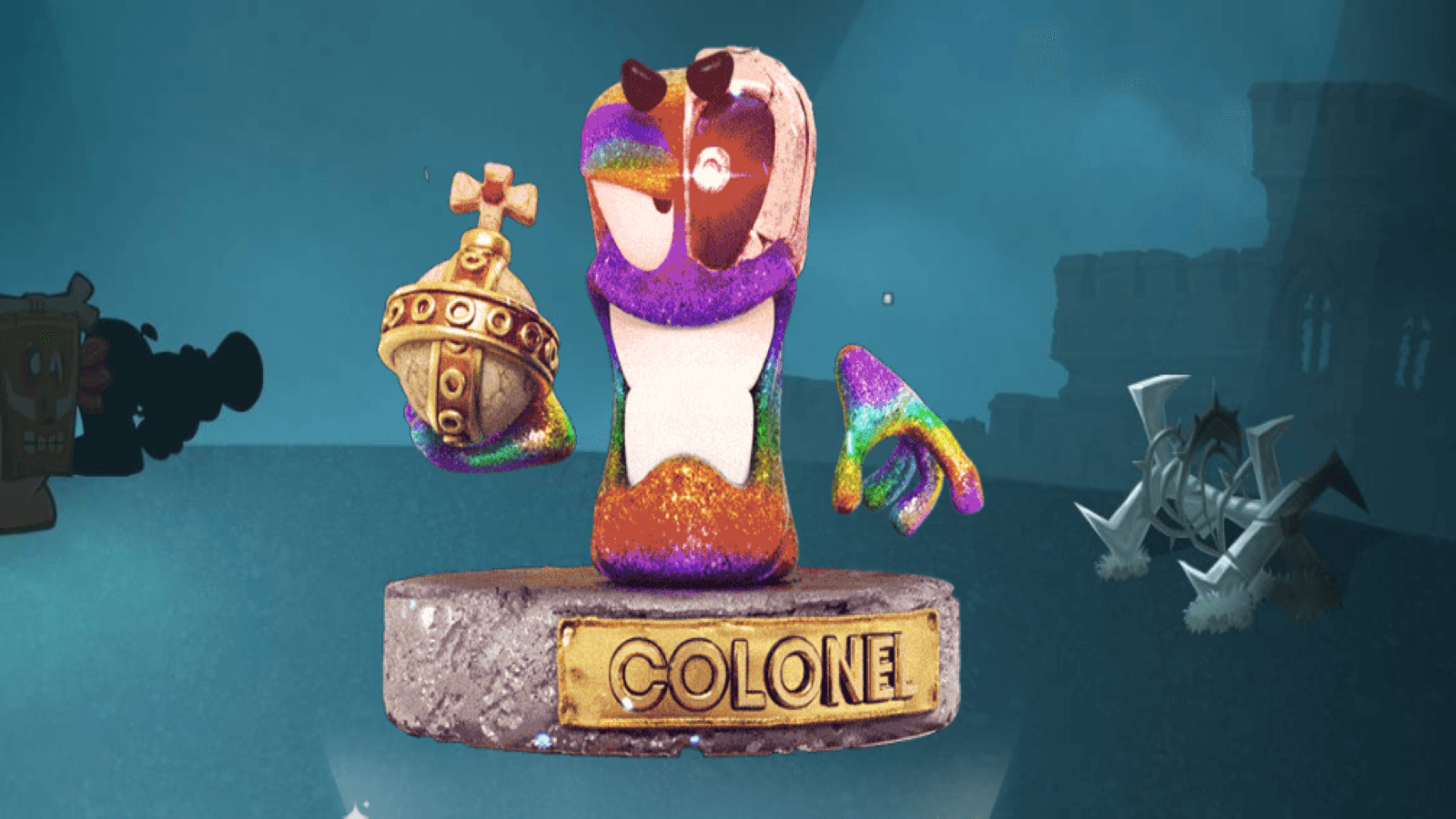
MetaWorms NFT. Credit: Metaworms
- Worms developer Team17 has licensed out its brand to Reality Gaming Group for the purpose of minting NFTs based on the popular franchise
- The reception from the blockchain and gaming communities has been overwhelmingly negative with some calling out the companies’ motives as little more than a cash grab
The developer of the long-running Worms game series, Team17, has licensed its popular brand for the creation of “environmentally friendly” non-fungible tokens (NFTs) for a project dubbed MetaWorms, much to the chagrin of gamers and blockchain participants.
Developed and managed by blockchain firm Reality Gaming Group (RGG), MetaWorms is styled as a “generative art project” that provides digital ownership over unique assets in a bid to breathe new life into the franchise’s 25-year history.
“This isn’t just about a single NFT drop,” RGG said in an FAQ section on the MetaWorms Discord channel. “We’re working on some groundbreaking features including a Fluid Rarity system that will give owners a chance to adjust their NFT — if they choose — take part in tournaments and enter the Metaverse through our large Sandbox estate.”
NFTs are unique digital assets providing proof of ownership for online and offline assets and are tradeable in marketplaces like OpenSea. The market value for digitally verifiable assets is around $31.4 billion.
Details on the functionality and utility of the NFTs are expected to be revealed shortly alongside the project’s roadmap, according to one Discord admin going by the username FatViking. An exact date of the project’s release has not yet been given.
Often criticized as being environmentally hazardous due to the energy required to mint and secure NFTs via the blockchain, RGG said it would be using its sidechain during certain stages in the project in a bid to minimize the amount of minting on its mainnet. The company hopes this method will reduce energy costs by up to 90%, RGG said.
The announcement has caused a backlash among the blockchain and gaming communities with some online users calling out the project as being little more than a cash grab amid the height of the NFT art craze.
Indeed, several teams within Team17 were reportedly unaware of plans to release Worms-based NFTs and were caught off-guard by the sudden announcement. Other teams that knew of the plans and had voiced their concerns went unheard, according to a report by Eurogamer on Monday.
Indie developer Aggro Crab, who worked on the RPG video game Going Under and published by Team17, said in a Tweet on Tuesday it would no longer be working with the Worms developer on future titles. Aggro Crab also urged other indie game studios to do the same unless the decision was reversed.
“We believe NFTs cannot be environmentally friendly, or useful, and really are just an overall f*****g grift,” Aggro Crab said in its Tweet.
Blockworks attempted to contact RGG and Team17 on the MetaWorms utility and community backlash but did not receive a reply by press time.
Get the news in your inbox. Explore Blockworks newsletters:
- The Breakdown: Decoding crypto and the markets. Daily.
- 0xResearch: Alpha in your inbox. Think like an analyst.