Domino effect: Arizona forms 2nd state bitcoin reserve in one week
US states are now competing for Bitcoin bragging rights
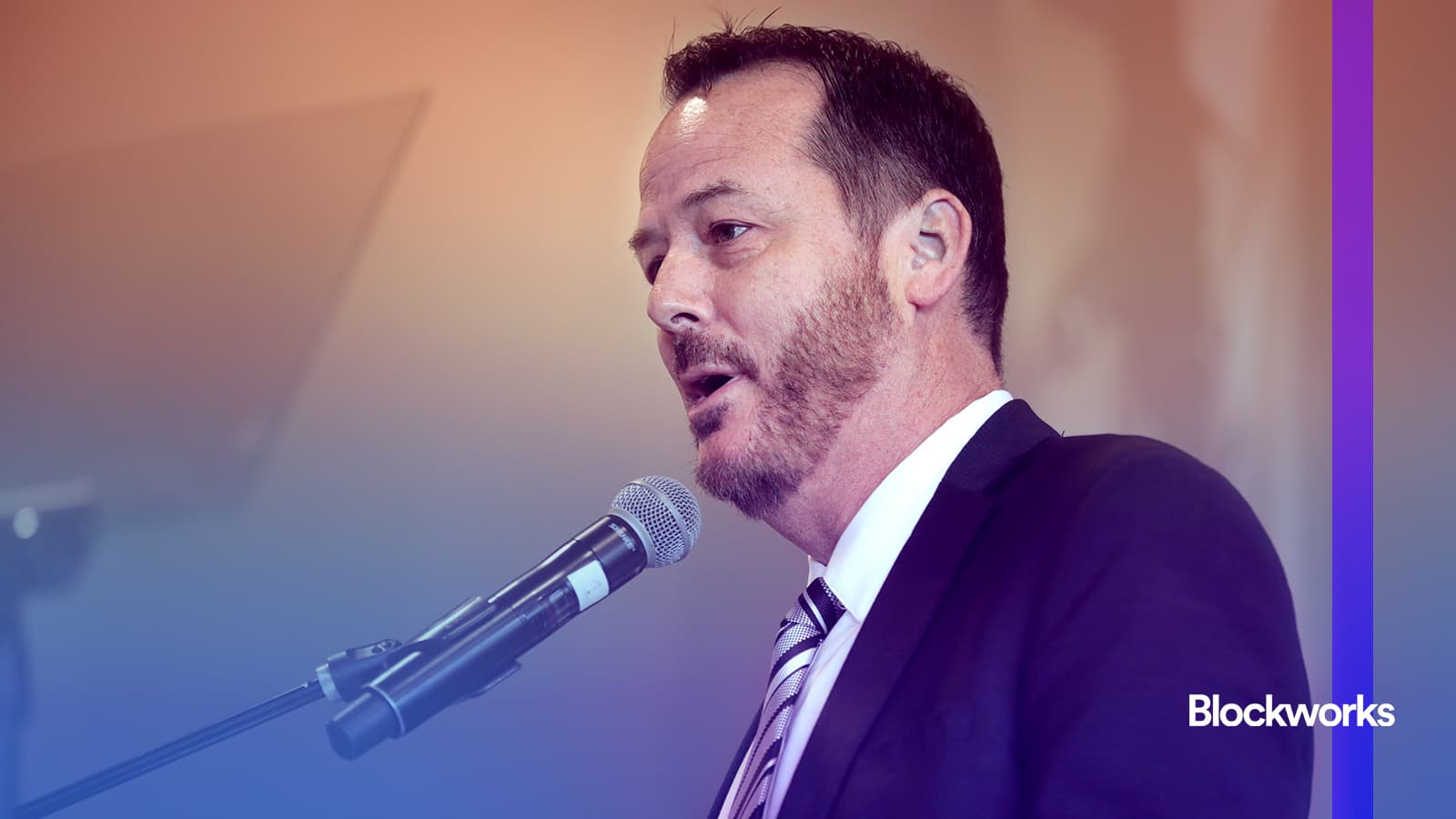
House Committee Chair Jeff Weninger | Gage Skidmore/"Jeff Weninger (52135522434)" (CC license), modified by Blockworks
This is a segment from the Supply Shock newsletter. To read full editions, subscribe.
When Johannes Gutenberg built the first movable-type printing press in the mid-15th century, he could hardly have imagined the impact it would have on humankind.
Civilization-style achievements fell like dominos over the next 300 years. People who weren’t priests learned to read within decades, and within a lifetime, the Protestant Reformation brought freedom of conscience, trailed by an explosion in scientific progress half a century later.
When the 1800s came around — 332 years after Gutenberg’s death — the Enlightenment and the scientific revolution had reshaped the world, powered by the printed works of Galileo, Newton, Descartes and others.
Then came public education, decolonization and the subsequent rise of nation-states, some of which are now opening their coffers to bitcoin, including the US.
When Satoshi toppled the first of his own set of dominos, could they have anticipated that only 16 years later, multiple US states would compete for bitcoin bragging rights?
Arizona is now the first state to ensure that any unclaimed bitcoin or cryptocurrency is never sold for cash.
The law includes the establishment of a state-controlled bitcoin reserve fund, which would also custody any other cryptocurrencies handed over to the Arizona revenue department.
Arizona officials are permitted to stake crypto held by the fund and even collect airdrops. But by law, they can’t sell any coins.
“Digital assets aren’t the future — they’re the present,” said House Committee Chair Jeff Weninger in a release. “This law ensures Arizona doesn’t leave value sitting on the table and puts us in a position to lead the country in how we secure, manage and ultimately benefit from abandoned digital currency.”
Is this cool? For sure. Could it be cooler? Also yes.
The law relates only to property for which the state cannot find or contact the original owner for three years. Think lost property, forgotten bank accounts and now, perhaps, crypto exchange accounts belonging to the deceased.
Arizona’s fund is different from the US government’s strategic bitcoin reserve established by Trump earlier this year, which for now exclusively holds coins seized by criminal forfeiture (although we still don’t know exactly how many).
The Arizona law is more about adding bitcoin and crypto to standard civil asset procedures, with Governor Katie Hobbs vetoing a separate bill earlier this week that would’ve permitted the state to invest 10% of its public funds into bitcoin.
Weninger explained in an X post that there are other avenues through which Arizona’s fund can acquire bitcoin without taxpayer money.
It’s all necessary progress that was long overdue. However, both Arizona and Trump’s reserves would be radically improved if they could actually buy bitcoin at will, which at least in the latter’s case, is technically on the table pending budget-neutral strategies.
New Hampshire has already laid claim over those bragging rights, with Governor Kelly Ayotte on Tuesday signing into law provisions for the state to invest 5% of all public funds into bitcoin.
The real question is then: Where does this put Bitcoin on its grand unified timeline, if the white paper was the first domino?
Almost two decades in, it’s clear we’re still early. Just look at the printing press.
Get the news in your inbox. Explore Blockworks newsletters:
- The Breakdown: Decoding crypto and the markets. Daily.
- 0xResearch: Alpha in your inbox. Think like an analyst.







.jpg)