Digital Ruble Likely To Help Russia Move Away From US Dollar, Economists Say
Following a historic round of strict sanctions, Russia’s economy will suffer with most foreign exchange reserve assets frozen, experts say
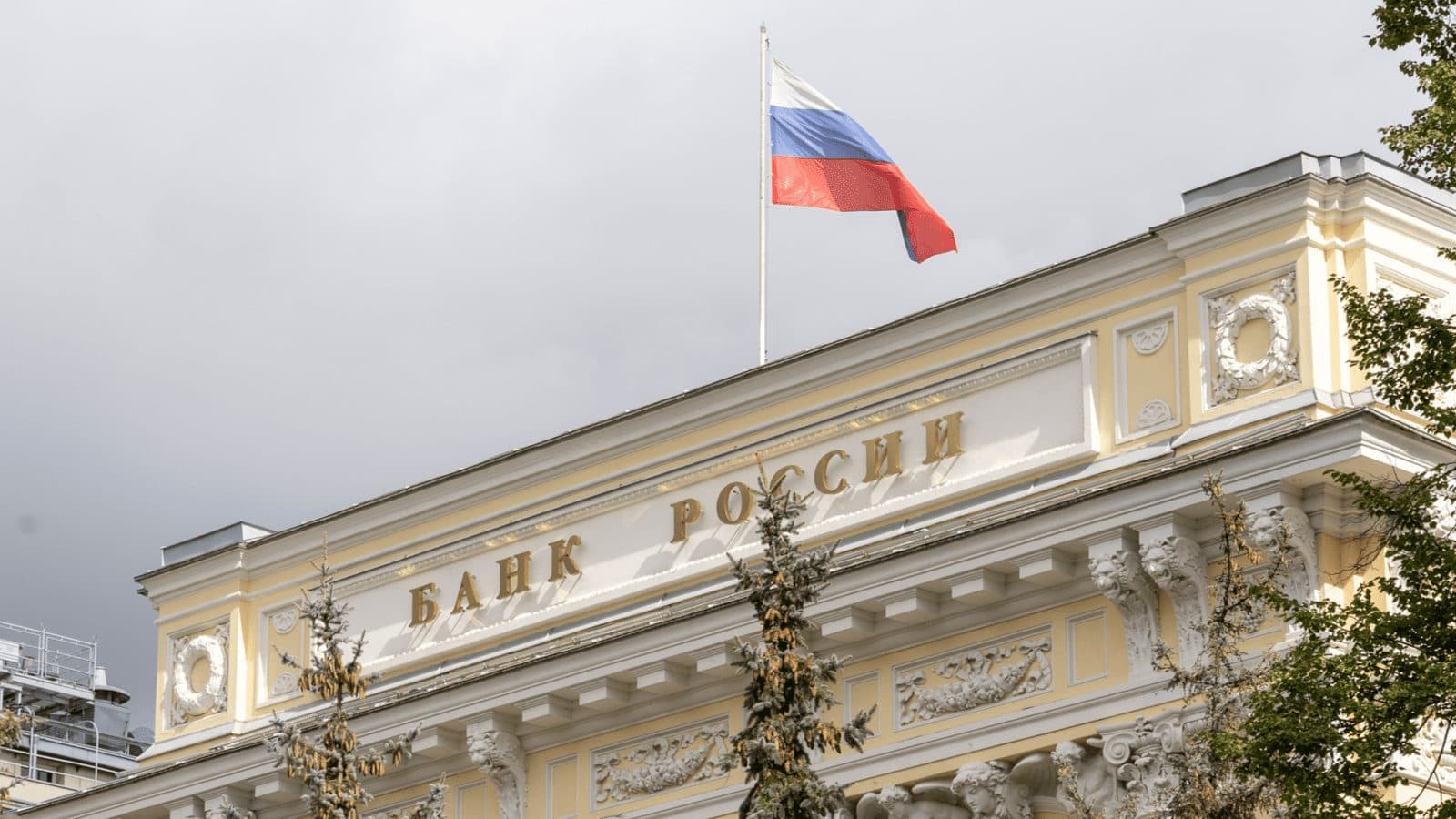
Central Bank of Russia | Source: Shutterstock
- Increasingly aggressive sanctions will lead to trouble for Russian economy, currency, experts say
- Banking group says Russian de-dollarization has been happening since 2014
Under pressure from unprecedented Western sanctions, Russia’s increased likelihood of defaulting on its foreign debt payments have economists eyeing the role of the digital ruble in reshaping the country’s economy.
Western nations have launched unprecedented sanctions against Russia in recent days, leading to an increased likelihood that the country will default on its foreign debt obligations, the Institute of International Finance (IIF) said Monday.
In a report Monday, the institute said its economists expect “the cumulative effect of sanctions on the Russian economy to be strong, leading to a sizeable contraction of output this year.”
Russia’s central bank more than doubled interest rates to 20% Monday in an attempt to limit inflation and ruble depreciation. More than half of Russia’s foreign exchange reserves are held in countries that have imposed sanctions and frozen assets, limiting the central bank’s options.
“If we stay here and [the situation] escalates, then default and restructuring is likely,” said Elina Ribakova, the IIF’s deputy chief economist, told reporters Monday.
Russia has been in the process of de-dollarization since 2014, the IIF said. The Bank of Russia has reduced the share of its reserve assets in US dollars and its holdings of US Treasurys significantly, with gold now surpassing US dollars in Russia’s reserves.
In early 2014, US dollars accounted for 43% of Russian reserves and 16% in mid-2021, according to the IIF.
The introduction of a digital ruble, the central bank digital currency that Russia is now piloting, is thought to further curtail the dollar’s influence — and potentially dull the blow of US sanctions.
“Similar to how Covid accelerated a lot of digital economy and stay-at-work adoption, this aggression by Russia and the West’s response in terms of sanctions and freezing of reserves, might accelerate the adoption of alternative payment channels and self-custodial stores of value,” Lyn Alden, founder of Lyn Alden Investment Strategies, said.
Get the news in your inbox. Explore Blockworks newsletters:
- The Breakdown: Decoding crypto and the markets. Daily.
- 0xResearch: Alpha in your inbox. Think like an analyst.