Starknet introduces SN Stack
Developers can use the Madara framework to develop appchains, or Dojo for onchain gaming apps
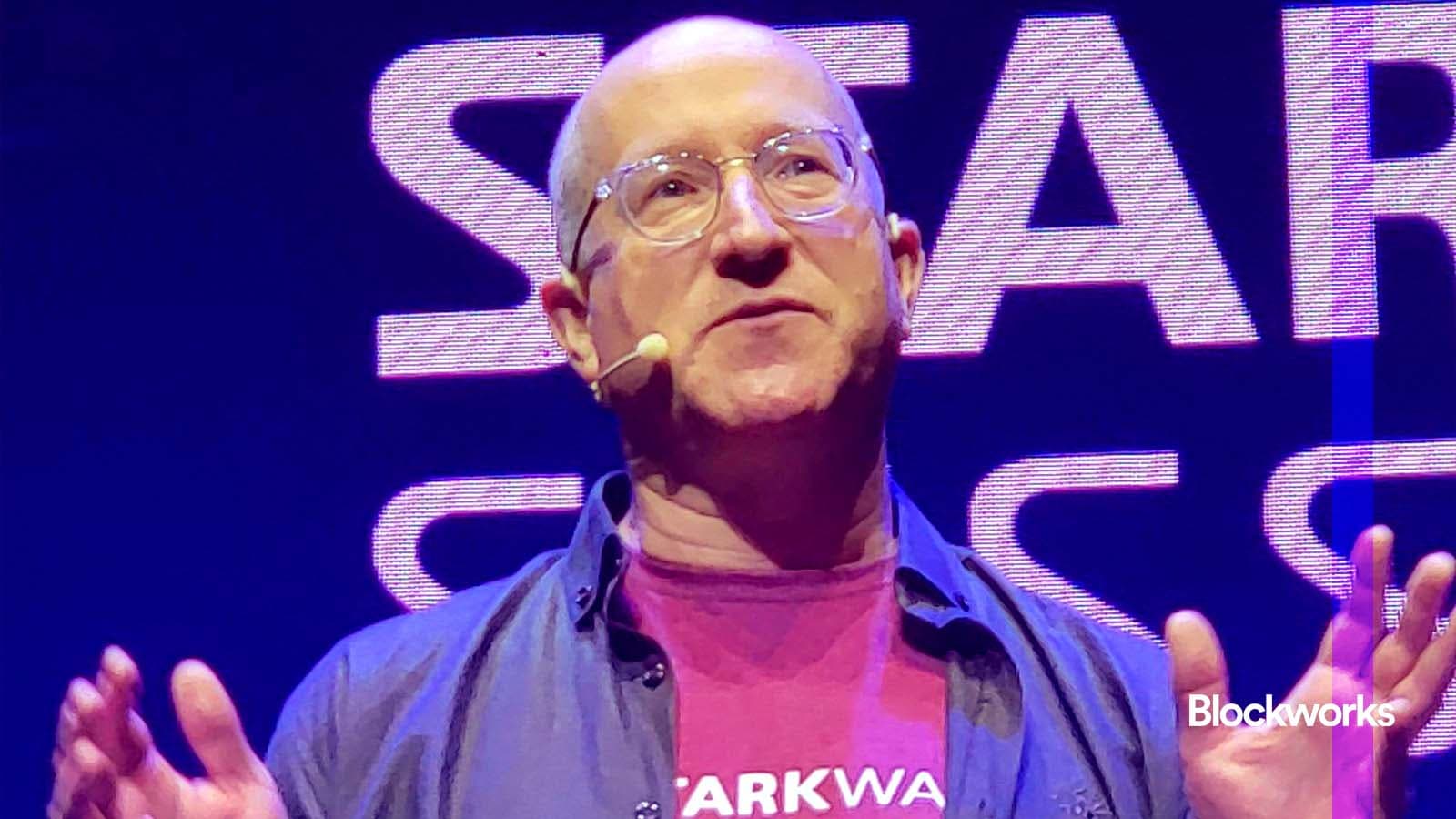
StarkWare co-founder and CEO Eli Ben-Sasson | StarkWare modified by Blockworks
This is a segment from the 0xResearch newsletter. To read full editions, subscribe.
Today, Starknet unveiled its dedicated rollup chain tech stack, SN Stack. The project was first teased in a July 2023 blog post.
The SN Stack offers developers the ability to build validity rollup chains with customized parameters like block times and sizes, using proven components of Starknet such as Starknet OS, CairoVM or the Blockifier execution engine.
Developers can opt to use Madara, an open source and modular framework to quickly develop appchains, or Dojo, a framework more suited to building onchain gaming apps. Starknet appchains will also be able to leverage the StarkWare sequencer infrastructure which in future will be open source.
“From now, projects will be able to build appchains using the gold-standard ZK-STARK cryptography with the ease and low-cost that has only been possible with optimistic rollups,” said StarkWare co-founder and CEO Eli Ben-Sasson.
ZK-STARKs are considered to be an improved version of zk-SNARKs due to their lack of reliance on an initial trusted setup, though STARK proof sizes are larger.
For cross-chain interoperability, there is a proof-based interoperability solution in the pipeline that leverages Starknet’s upcoming open-sourced prover Stwo (Stark Two), a Starknet spokesperson told Blockworks.
Paradex, a perpetuals exchange, is the only existing rollup built on SN Stack today.
A short history of rollup stacks
In 2020, Ethereum embarked on a rollup-centric roadmap that sought to offload execution to L2 chains for scalability. This introduced the incentive for rollup teams to develop their own custom rollup tech stacks, attract rollup chain developers and curate a gated ecosystem.
Optimism was first to the game. Optimism’s OP Stack was officially introduced in late 2022 and launched in early 2023. In 2023 followed the launches of Arbitrum’s “Orbit” then Zksync’s ZK Stack.
Last month also saw the announcement of Commonware’s “anti-framework” stack by ex-Ava Labs VP of engineering Patrick O’Grady. Commonware promises an even more modular architecture and less lock-in than the aforementioned rollup stacks.
Optimism’s first-mover advantage has largely paid off, as is the case with open-source tools. Based on L2Beat, OP Stack is the most widely used stack with at least 50 combined rollup and Validium chains built on its technology, including Kraken’s Ink, Coinbase’s Base and the upcoming Unichain.
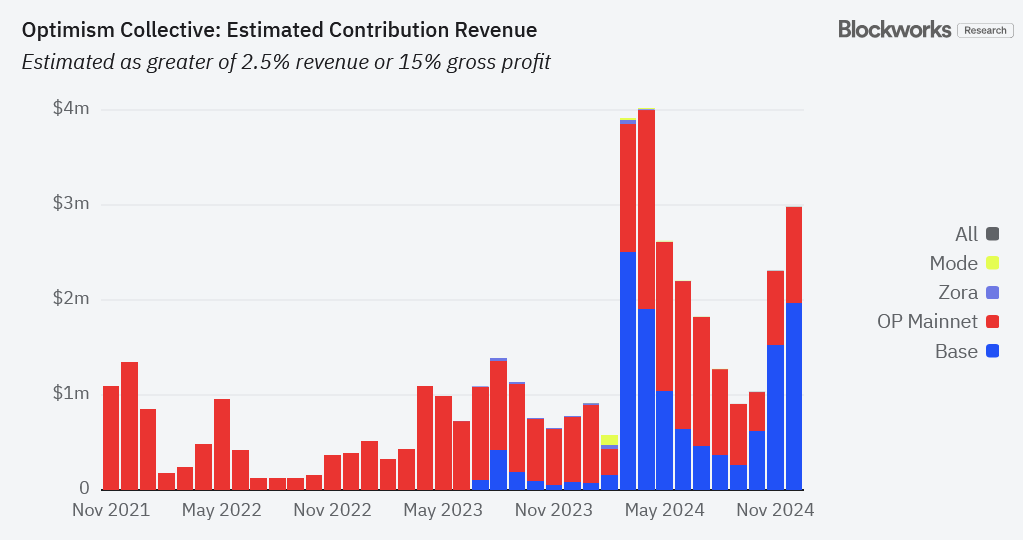
This network effect provides Optimism with a lucrative monetization opportunity. For instance, Optimism offers rollups the option to enter into a revenue-sharing agreement that shares 2.5% of sequencer revenues or 15% of transaction fee profits (whichever is higher).
While Starknet has yet to specify a monetization model for SN Stack, the team has confirmed details will be announced in the future.
Get the news in your inbox. Explore Blockworks newsletters:
- The Breakdown: Decoding crypto and the markets. Daily.
- 0xResearch: Alpha in your inbox. Think like an analyst.