Tether Fraud Investigation Gets New Leader: Bloomberg
The US Southern District of New York has become a magnet for crypto cases
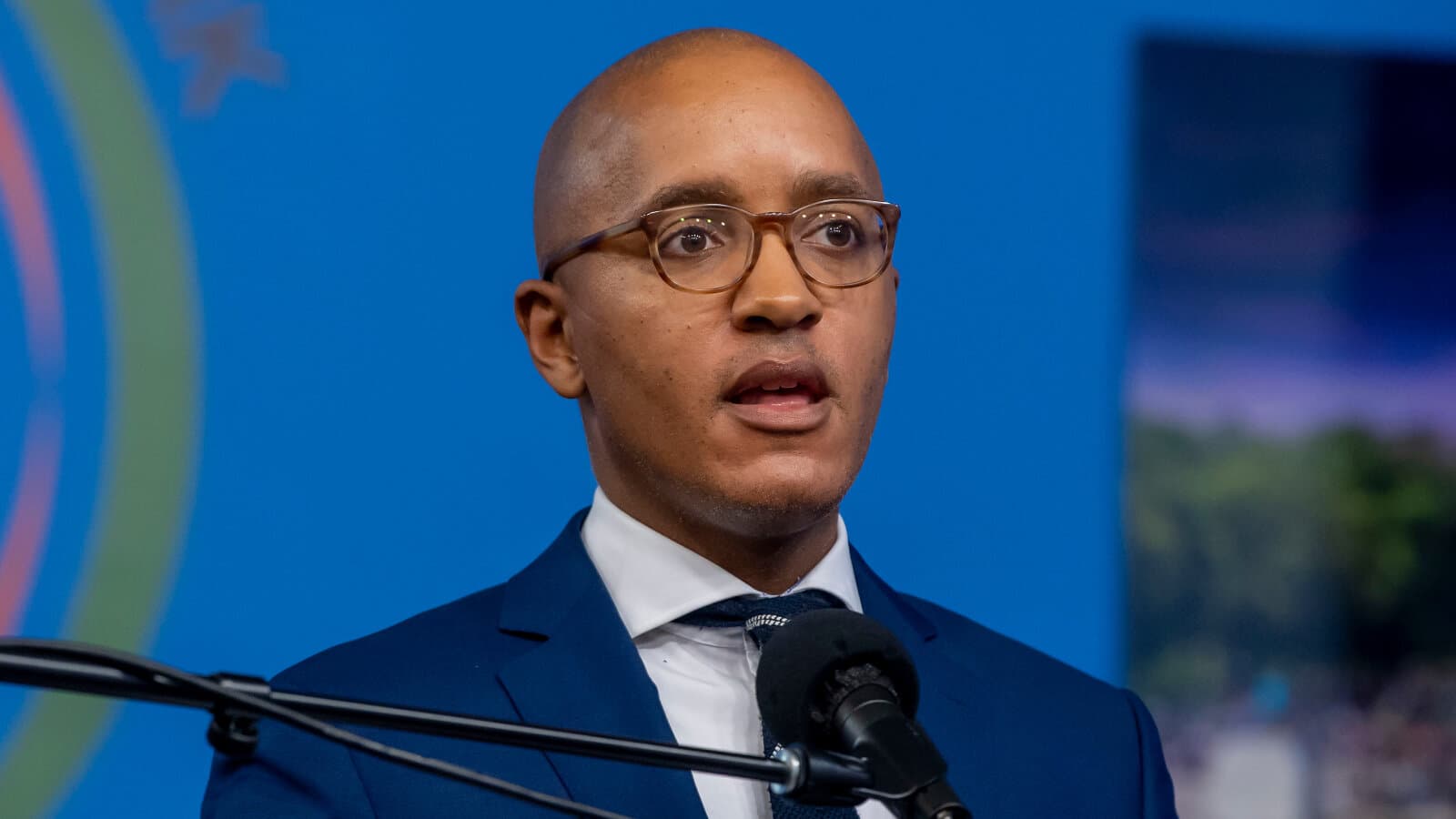
US Attorney Damian Williams | Source: Shutterstock
- US Attorney Damian Williams has led several crypto federal complaints
- New York has one of the most comprehensive crypto policies in the country
The US Department of Justice has tapped a new head for its longstanding probe of stablecoin issuer Tether, Bloomberg reported Monday.
US Attorney Damian Williams of the Southern District of New York has taken over the investigation, according to Bloomberg. The DOJ first began investigating the stablecoin issuer for suspected fraud in July 2021.
The impetus for the move is not clear. Bloomberg reported the Southern District’s deep experience with technological monetary fraud and evolving digital assets know-how likely play a role.
Though federal regulations — or state, for that matter — are scant at the moment and a work in progress, Tether and related stablecoin heavyweights have faced skepticism from industry participants around their reserves. Tether, for its part, has increased its disclosures and said it has moved away from backing its stablecoin with illiquid assets.
The Southern District of New York has become a magnet for crypto cases. Between 2020 and 2021, more than 25% of all federal complaints related to cryptocurrencies were filed in the district, according to federal data.
It would not be Williams’ first legal foray into digital assets. He has been the lead attorney on the charges against a former Coinbase employee for alleged insider trading filed in July.
He also led the investigation into charges against BitMEX employee Gregory Dwyer, who pleaded guilty to bank secrecy act violations in August. Williams was also behind the first-ever charges brought against an NFT marketplace employee for alleged insider trading.
“Web3 is not a law-free zone,” Williams said at the time. “Our message with these charges is clear: Fraud is fraud is fraud, whether it occurs on the blockchain or on Wall Street. And the Southern District of New York will continue to be relentless in bringing fraudsters to justice, wherever we may find them.”
New York — which handles many patent, bankruptcy and other financial-related investigations at the federal level — is known for having one of the most comprehensive crypto policies in the country. The New York State Department of Financial Services established its stringent regulatory process, BitLicense, in 2015.
By the end of 2016, many crypto companies had halted operations within the state.
“When the New York crypto regulations were first enacted, many crypto businesses found the requirements overly expensive and onerous,” cryptocurrency exchange Gemini wrote in a regulatory report. “This led to what some termed the ‘Great Bitcoin Exodus,’ with companies including Shapeshift and Kraken deciding to stop serving customers in New York.”
The Department of Justice did not immediately return requests for comment.
Get the news in your inbox. Explore Blockworks newsletters:
- The Breakdown: Decoding crypto and the markets. Daily.
- 0xResearch: Alpha in your inbox. Think like an analyst.