Bhutan Has Mined Bitcoin Since It Was Worth $5K: Report
The country is aiming to generate positive, sustainable returns across a range of asset classes, including crypto, by tapping into its extensive network of hydroelectricity
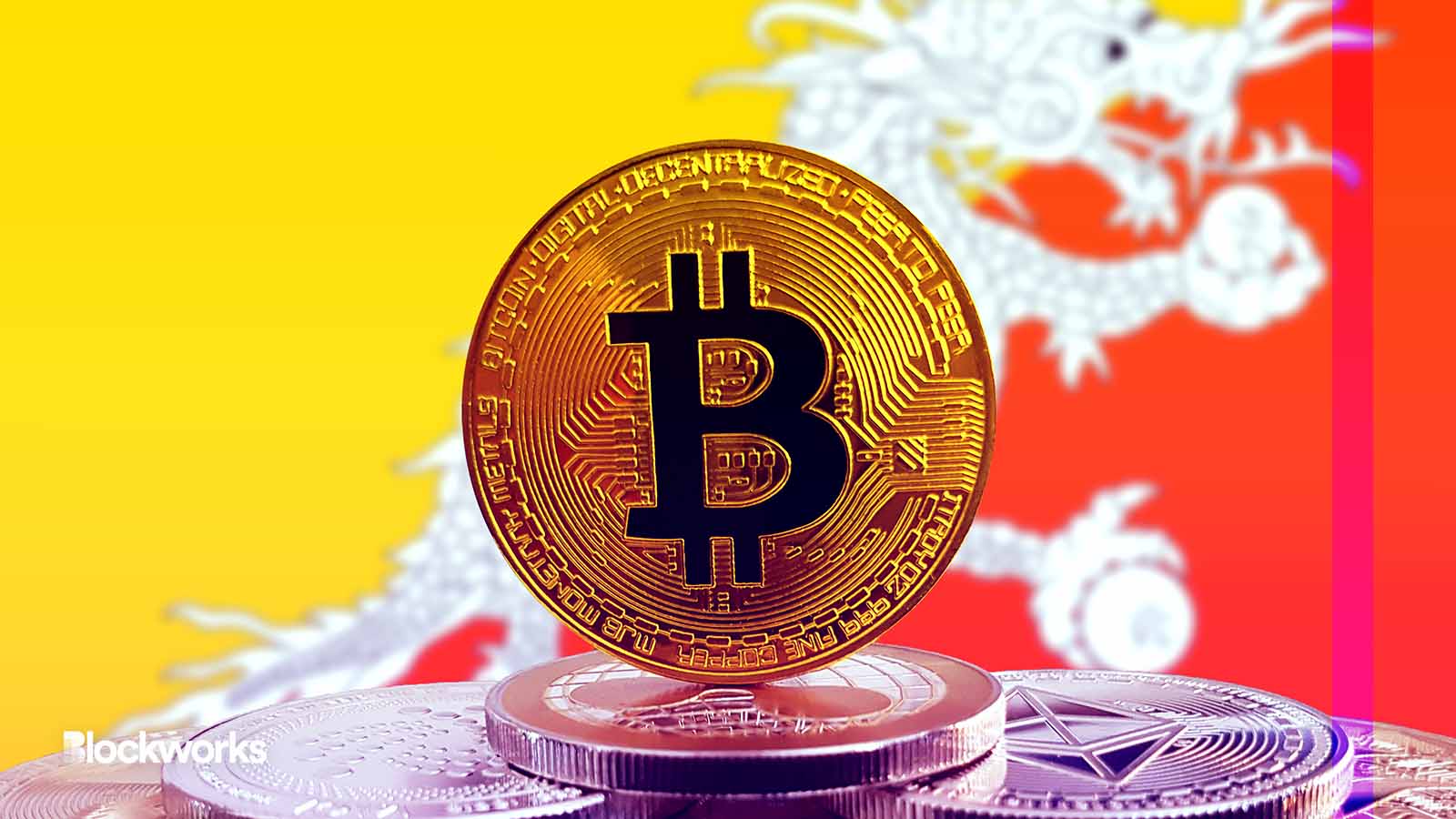
Useacoin/Shutterstock modified by Blockworks
The investment arm of Bhutan has been mining bitcoin for a “few years” to diversify the landlocked nation’s portfolio.
Druk Holding and Investments (DHI) CEO Ujjwal Deep Dahal told local media outlet The Bhutanese that mining bitcoin is part of a long-term investment strategy.
Bhutan is using digital assets to finance its operations, but it’s holding onto some for the future — anticipating an increase in value following Bitcoin’s halving in 2024, per the report.
The country is reportedly aiming to generate positive, sustainable returns across a range of asset classes, including crypto. It’s said to be mining bitcoin (BTC) with its extensive network of hydroelectricity in a bid to offset costs and environmental harms.
Bhutan’s high mountainous region and hydro projects present marginally cheaper production costs for an otherwise expensive endeavor. This has allowed DHI to funnel energy savings into buying up more mining rigs, according to Dahal.
Bhutan has paid back its bitcoin loans
Mining bitcoin is also part of the nation’s attempt to diversify its economy. In previous years, the government has tried addressing self-sufficiency woes by tapping sectors from tourism to agriculture.
DHI reportedly began mining BTC when its price was trading for roughly $5,000, although no specific dates were reported.
Read more: Bhutan’s Investment Arm Invested Millions in Crypto, According to Celsius Documents
The last time bitcoin traded at those levels was throughout the Covid-19 market crash in March 2020. Prior to that, BTC had risen above $5,000 in Apr. 2019 after languishing below for months in the depths of the previous bear market.
Dahal also told local media the kingdom has managed to pay back everything owed to bankrupt crypto lenders BlockFi and Celsius, after it took out digital asset loans to fund further investments.
Last month, it was revealed that DHI made millions of dollars worth of deposits and withdrawals to the lenders in a number of cryptocurrencies including bitcoin, ether, and USDC.
Get the news in your inbox. Explore Blockworks newsletters:
- The Breakdown: Decoding crypto and the markets. Daily.
- 0xResearch: Alpha in your inbox. Think like an analyst.