Bhutan’s Investment Arm Invested Millions in Crypto, According to Celsius Documents
Druk Holdings and Investments, which is the Kingdom of Bhutan’s sovereign investment arm, was a customer of both Celsius and BlockFi before the bankruptcies
Eoin Curran/Shutterstock modified by Blockworks
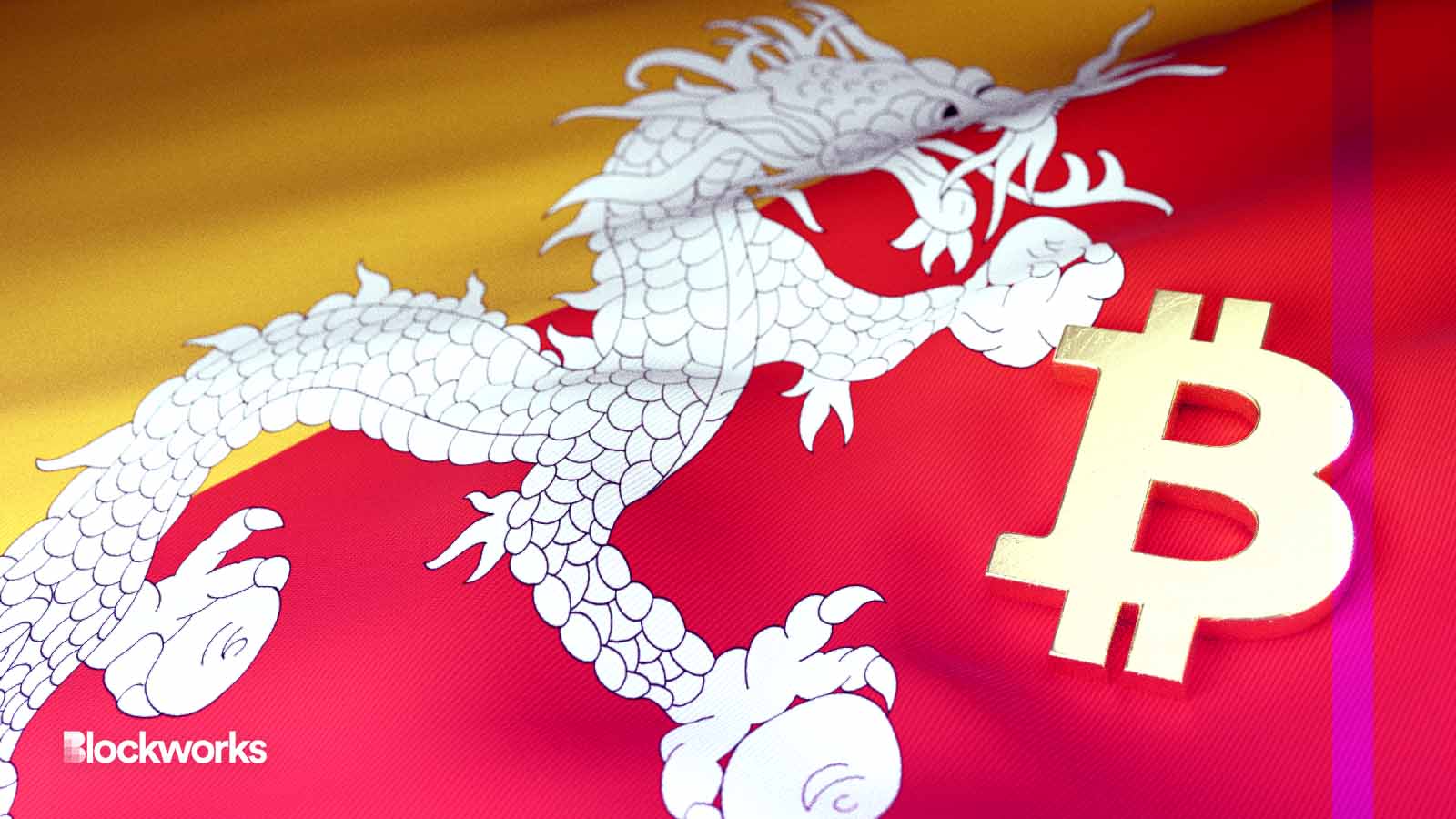
The Kingdom of Bhutan’s Druk Holdings and Investment arm is reportedly investing millions in crypto.
According to the website, DHI “is a company incorporated under the Companies Act of Bhutan and it holds shares in selected companies on behalf of the government. DHI is also the investment arm of the Government and Ministry of Finance is the sole shareholder of DHI.”
It also states that DHI’s investment priorities include “reserved sectors where the private sector may not have the capacity and there is [a] long gestation period on the returns of investments” as well as “commercially viable long projects.”
For context, DHI also owns Drukair — the Royal Bhutan Airlines — Bhutan Telecom and the Bhutan Power Corporation.
A report from Forbes claims that Druk had connections to FTX, and a suit from Blockfi and documents from the Celsius bankruptcy proceedings also show the fund’s ties to crypto.
The Celsius documents show that DHI made deposits and withdrawals worth millions in various digital assets from bitcoin to ether to USDC. Two Druk entities are mentioned in the Celsius documents — DHI and the Druk Holding and Investments Druk Project Fund. However, the purpose of the project fund is not clear on DHI’s website.
Druk Holdings made withdrawals totaling $65 million in the 90 days leading up to the Celsius bankruptcy.
BlockFi sued Druk after the lender was forced to call in the investment fund’s loan — which was for $30 million in USDC — in November, and Druk didn’t fork over the $800,000 it owed after BlockFi sold its bitcoin collateral — which totaled 1,888 BTC and was sold for just over $29 million.
On April 13, BlockFi submitted a voluntary dismissal of the suit to the courts.
The CEO of Druk, Ujjwal Deep Dahal, told Forbes via email, “We do not have any comments as the matter with BlockFi has been settled. We are not able to comment due to confidentiality.”
Both Celsius and BlockFi filed for bankruptcy last year following the collapses of the TerraUSD stablecoin and FTX.
Celsius filed for bankruptcy in July 2022, after freezing withdrawals, swaps and transfers a month earlier.
BlockFi filed for bankruptcy in November of last year following the collapse of FTX. The lender had struggled since the collapse of Three Arrows Capital — which fell after the collapse of TerraUSD.
It’s not clear why DHI is invested in digital assets. The royal charter, which established the fund in 2007, says that the purpose of DHI is “to safeguard the national wealth, and manage and enhance such wealth through prudent investments.”
The crypto investments made by DHI have also never been publicly disclosed, the withdrawals, deposits and loans in the digital asset space have only been made public through court documents from bankruptcy cases or cases linked to bankruptcies.
DHI did not immediately respond to a request for comment.
Updated April 18, 2023 at 1:00 pm ET: Forbes reported that DHI has ties to FTX, Celsius and BlockFi.
Updated April 17, 2023 at 2:17 pm ET: The Kingdom of Bhutan refers to Druk Holdings and Investments as the investing arm of the government.
Get the news in your inbox. Explore Blockworks newsletters:
- The Breakdown: Decoding crypto and the markets. Daily.
- 0xResearch: Alpha in your inbox. Think like an analyst.