Galaxy, DeFi Technologies look to leverage new Nasdaq listings
Galaxy Digital CEO Mike Novogratz says: “Bigger is better in financial services, and we plan to get a lot bigger.”
JHVEPhoto/Shutterstock and Adobe modified by Blockworks
This is a segment from the Forward Guidance newsletter. To read full editions, subscribe.
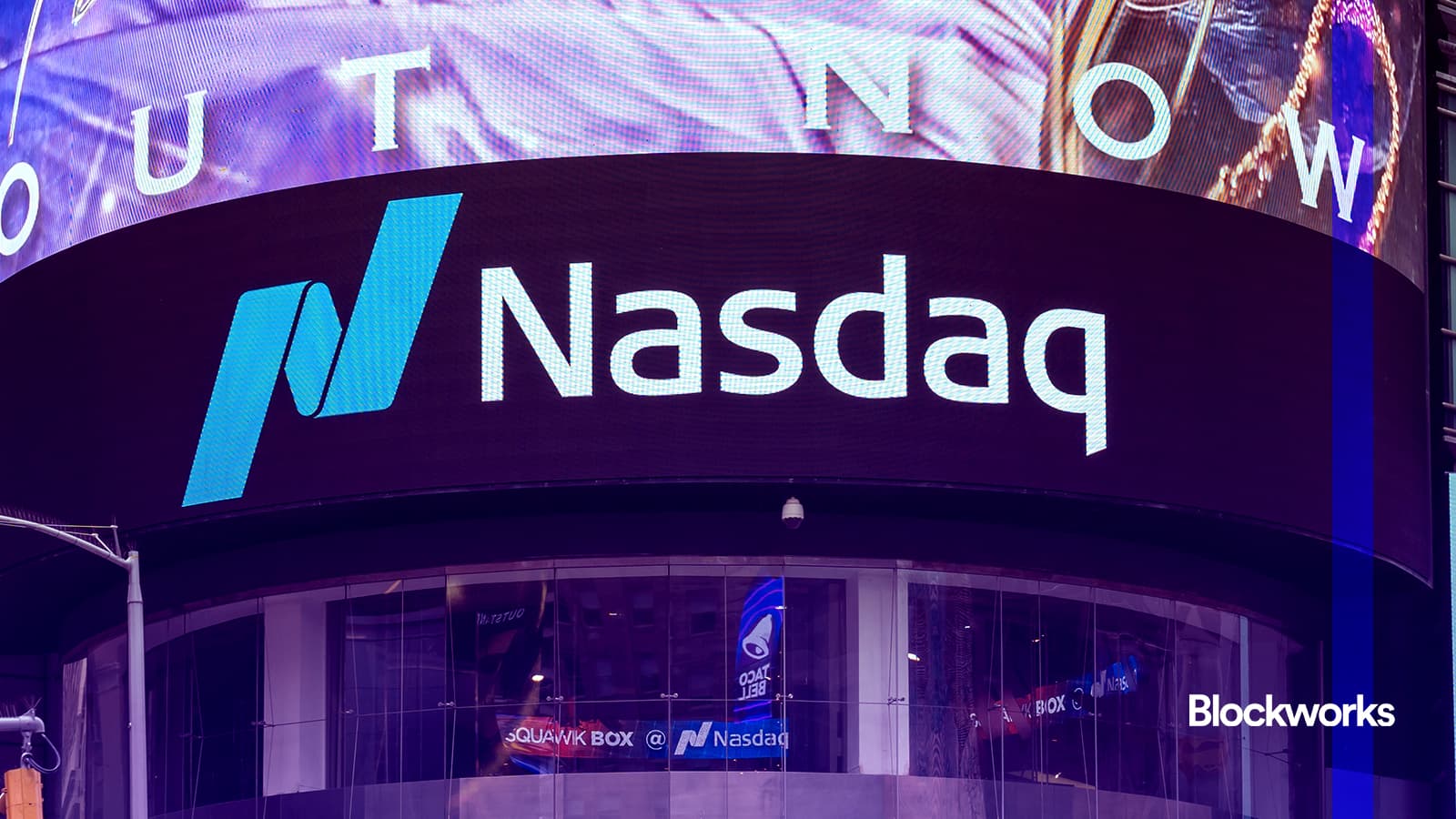
After a process that took years (1,300 or so days, Galaxy CEO Mike Novogratz noted on a Tuesday earnings call), GLXY shares are trading on the Nasdaq.
The US listing boosts the stock’s visibility — i.e. via Robinhood and perhaps, one day, in indexes (S&P, MSCI, Russell, etc.)
More than that, though, we’re watching how it helps the firm scale as competition stiffens in the growing crypto space.
“Most of Galaxy’s growth over the last seven years was internally funded with investing profits or trading profits, and so there was a regulator on how fast we could grow,” Novogratz explained. “Depending on the opportunities we see, being able to tap the deepest capital market in the world is a huge advantage.”
In other words, the CEO added on the call: “Bigger is better in financial services, and we plan to get a lot bigger.”
We’ve seen some huge crypto M&A so far this year. To name a few: Coinbase-Deribit (a $2.9 billion deal); Kraken-NinjaTrader ($1.5 billion); and Ripple-Hidden Road ($1.25 billion).
Novogratz noted that having a more fairly-valued stock — after historically trading below its book value — allows Galaxy to more seriously look at acquisitions.
“There are some businesses that make sense to grow organically, and some that make sense to add on,” Novogratz said. “And so, I think you’re going to see a little of both in the coming 36 months.”
DeFi Technologies also listed on the Nasdaq this week.
That company, like Galaxy, has been trading publicly in Canada (and continues to).
But as DeFi Technologies CEO Olivier Roussy Newton put frankly: “Canada is a small population base compared to the United States. The world trades on the US capital markets.”
He also alluded to M&A, telling me: “You [present] your equity for investors, and if you can do that effectively you trade at a high multiple and you raise more money and you buy more companies.”
DeFi Technologies looks to have 100 crypto investment product listings by the end of the year. The company bought ETP issuer Valour in 2021 before acquiring Reflexivity Research and crypto liquidity provider Stillman Digital last year.
As for future acquisition targets, Newton said: “There’re a lot of private trading technology companies in the digital asset space that would want to…access capital market equity financings and other derivatives mechanisms to enhance those opportunities.”
Scale and product breadth will be especially important for firms like Galaxy and DeFi Technologies as more financial giants wade deeper into crypto.
One area that TradFi players entering the space are focused on (or will be) is tokenization, Novogratz said.
“We are trying to build our moat through domain expertise, through better customer relationships, and through kind of staying one step ahead of those guys,” he noted on the earnings call.
All’s to say, we’ll be watching more than just the GLXY and DEFT stock prices.
Get the news in your inbox. Explore Blockworks newsletters:
- The Breakdown: Decoding crypto and the markets. Daily.
- 0xResearch: Alpha in your inbox. Think like an analyst.