Senators Once Again Ask Fidelity to Stop Offering Bitcoin in 401(k)s
Three Senators reckon crypto is full of “charismatic wunderkinds and opportunistic fraudsters,” urging Fidelity to avoid bitcoin in 401(k)s
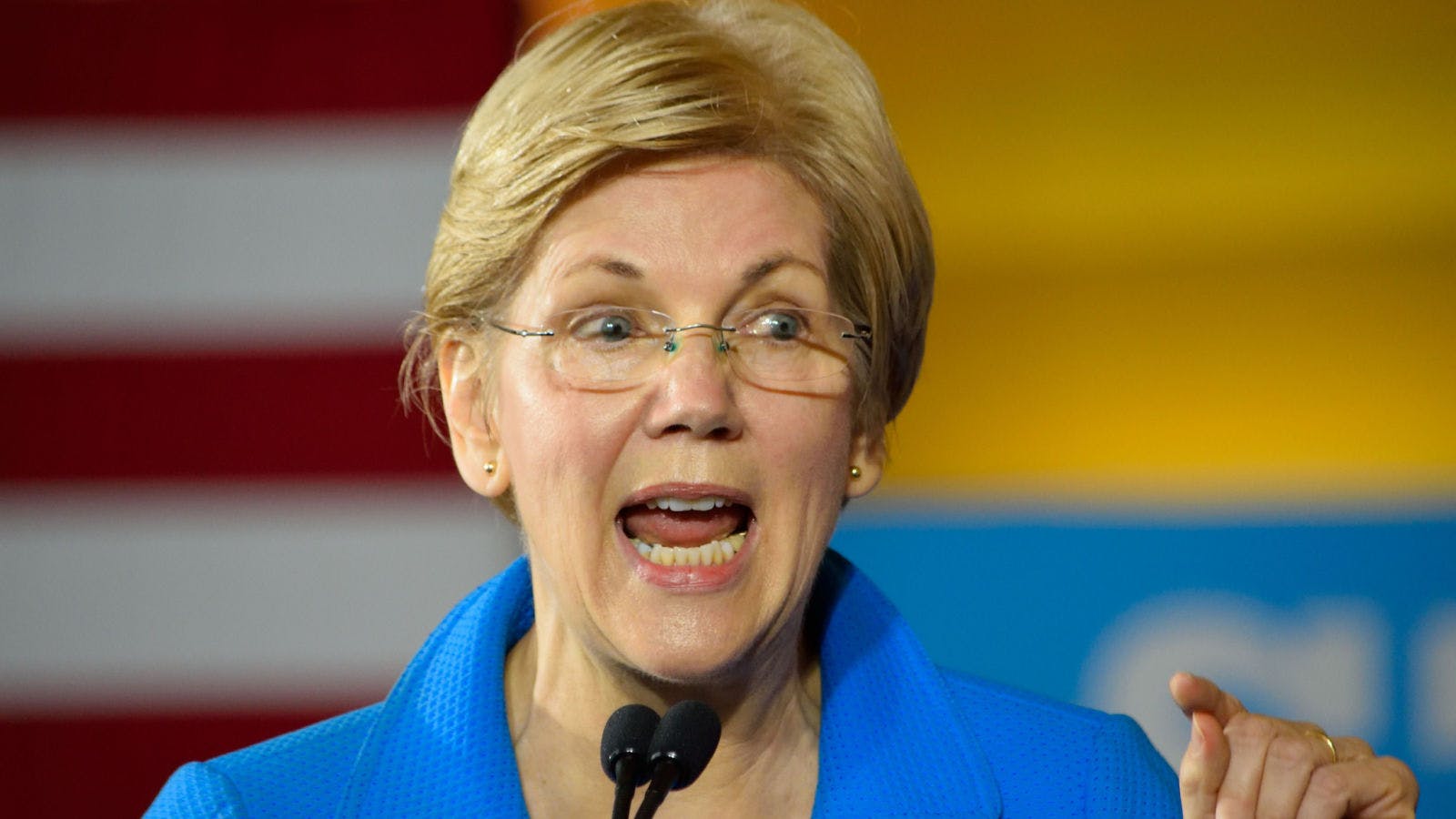
Senator Elizabeth Warren | Source: Shutterstock
Three US Senators have urged Fidelity to stop its 401(k) sponsor partners from offering bitcoin exposure — likening crypto investing to “catching lightning in a bottle.”
In a Monday letter penned to Fidelity CEO Abigail Johnson, Democrat Senators Elizabeth Warren, Dick Durbin and Tina Smith argue that crypto markets have become riskier following FTX’s sudden collapse, making bitcoin unsuitable for retirement plans.
The Senators described the crypto industry as “full of charismatic wunderkinds, opportunistic fraudsters and self-proclaimed investment advisors promoting financial products with little to no transparency.”
“As a result, the ill-advised, deceptive, and potentially illegal actions of a few have a direct impact on the valuation of bitcoin and other digital assets,” they said. Durbin received $2,900 in campaign contributions from disgraced FTX CEO Sam Bankman-Fried, money he reportedly says will be donated to charity.
The letter follows similar pleas in May and July. Senators Warren and Smith have previously cited the cryptocurrency sector’s murky valuations as reason for caution, labeling investing in digital assets a “speculative gamble.”
Boston-based Fidelity began allowing employees to put as much as 20% of their retirement savings into bitcoin exposure this fall.
The crypto industry considered the move a strong sign of shifting institutional sentiment toward the 12 year old asset class, although bitcoin has shed some 60% of its value since Fidelity flagged the 401(k) move in late April.
Fidelity, which overall boasts some $9.6 trillion in assets under administration, is the largest individual retirement plan (IRA) provider in the US — supporting more than 35 million IRA, 401(k) and 403(b) retirement accounts. As of 2020, FIdelity controlled more than a third of the retirement fund market in the US, maintaining $2.4 trillion in 401(k) assets.
“Any investment strategy based on catching lightning in a bottle, or motivated by the fear of missing out, is doomed to fail,” the Senators said.
“By many measures, we are already in a retirement security crisis, and it should not be made worse by exposing retirement savings to unnecessary risk.”
Get the news in your inbox. Explore Blockworks newsletters:
- The Breakdown: Decoding crypto and the markets. Daily.
- 0xResearch: Alpha in your inbox. Think like an analyst.