White House walks back Colombia tariffs
Trump revoked his 25% tariff threat after Colombia agreed to terms related to accepting newly deported immigrants
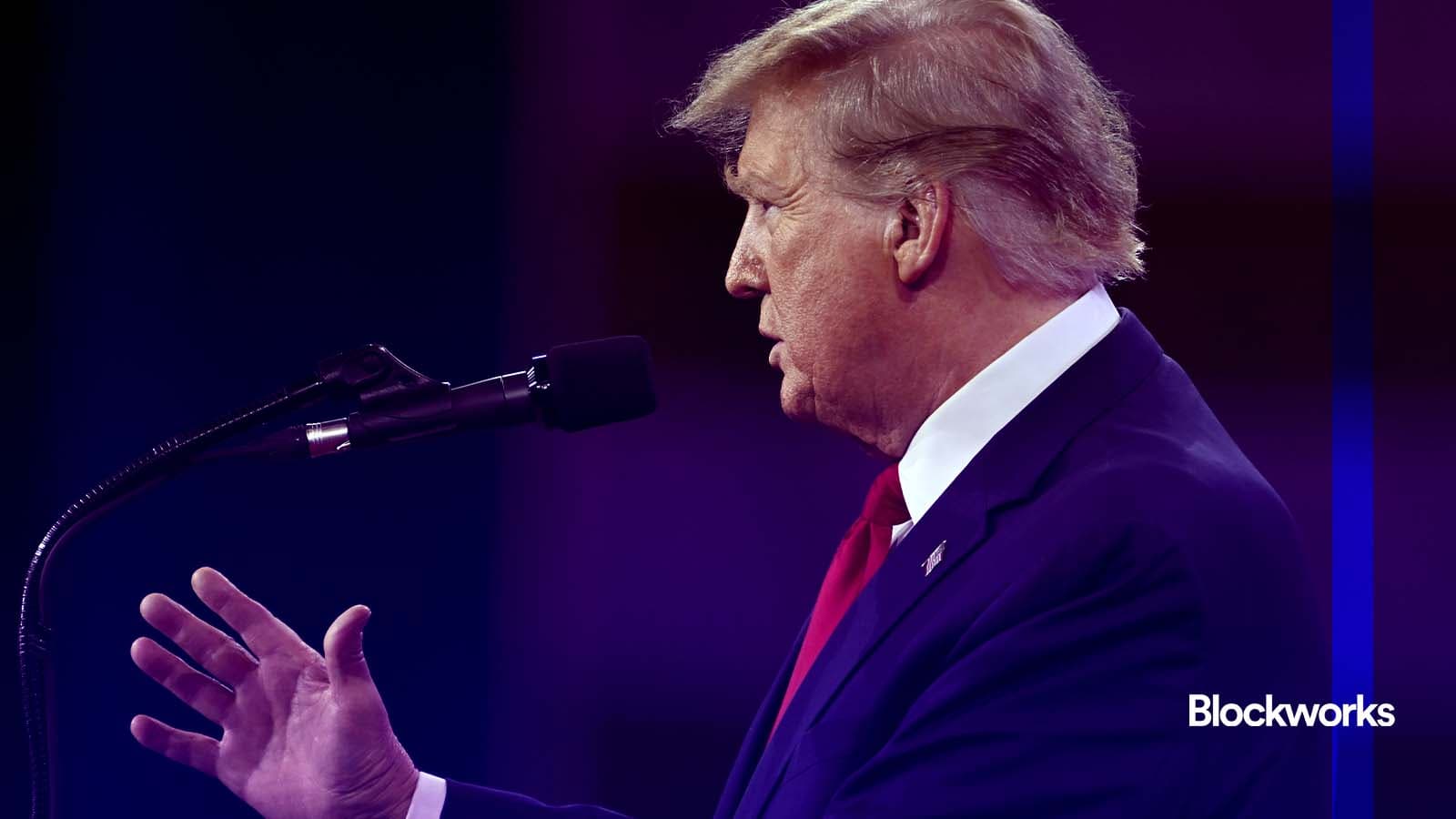
President Donald Trump | miss.cabul/Shutterstock modified by Blockworks
This is a segment from the Forward Guidance newsletter. To read full editions, subscribe.
It seems Colombia has narrowly avoided a trade war with the US.
The White House last night announced that Colombia had agreed to terms related to accepting newly deported immigrants. As such, Trump has revoked his 25% tariff threat.
It’s clear, though, that tariffs have emerged as one of Trump’s first and favorite tools when it comes to advancing his geopolitical agenda.
While we have yet to see any increases on Canadian, Mexican or Chinese tariffs, the White House has assured these are coming. Economists are busy assessing what the impact on domestic prices will be, and we suspect the Fed is considering this as well.
We already know the Fed tends to take a “wait and see” approach when it comes to responding to tariffs and inflation that ensues. Or at least it did back in 2018.
Trump’s tariff threats (and, to be clear, they are just threats for now), may be rocking global markets in the immediate term. But the actual impact on prices will take longer to see.
The two options for the central bank are:
- Raise interest rates.
- Take a so-called “see through” policy approach, where FOMC members ride out the (hopefully) temporary higher prices without raising rates.
We’re betting they go with option two, but we’ll be curious to see how Fed Chair Jerome Powell responds to any tariff-related questions during Wednesday’s press conference. More on that later this week.
Get the news in your inbox. Explore Blockworks newsletters:
- The Breakdown: Decoding crypto and the markets. Daily.
- 0xResearch: Alpha in your inbox. Think like an analyst.