VIX shows volatility will not be stopping anytime soon
The market volatility average is rising towards 2020 and 2008 levels, but context is important
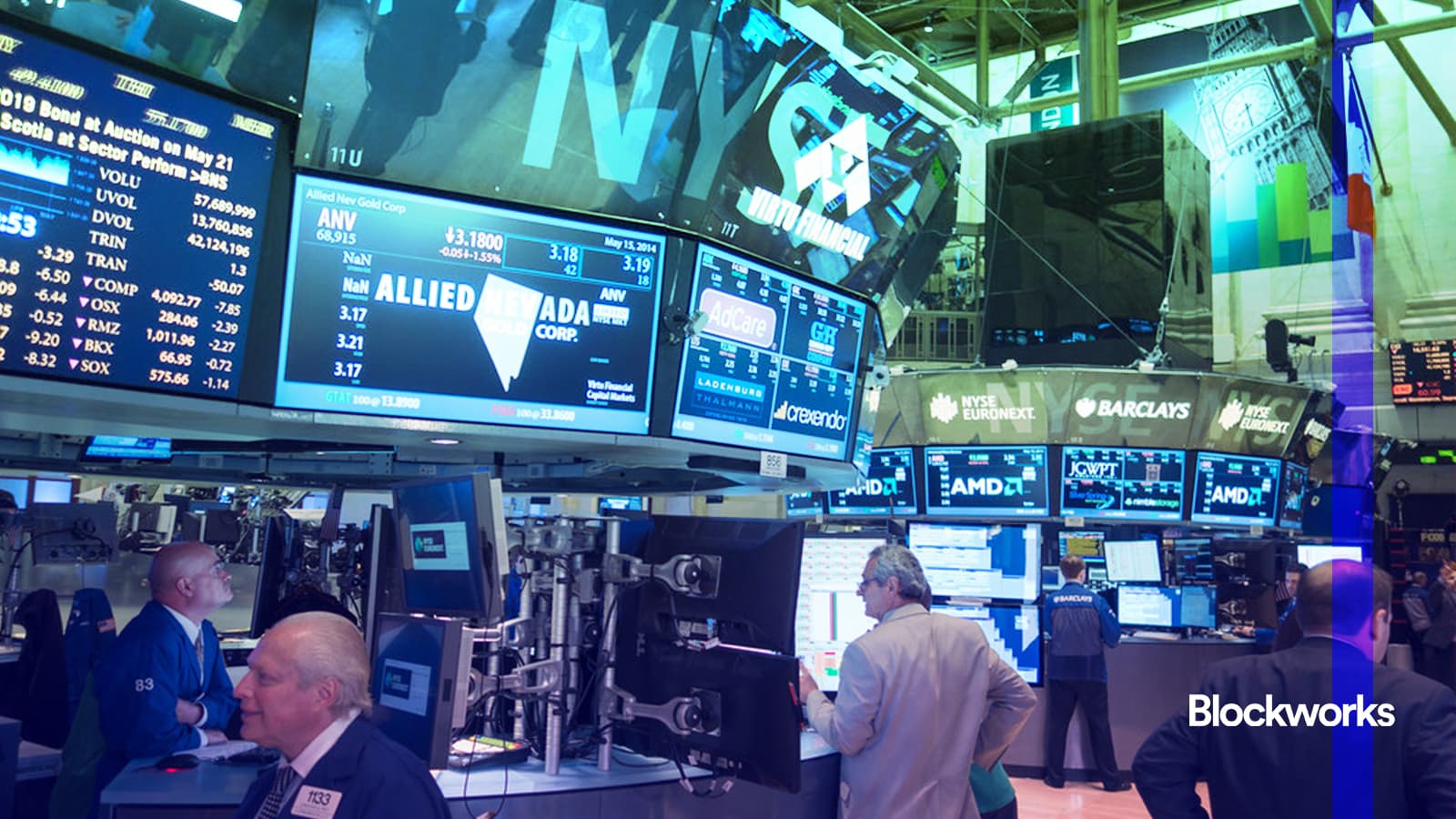
Trading floor at the New York Stock Exchange | trading.biz/"Trading Floor at the New York Stock Exchange" (CC license)
This is a segment from the Forward Guidance newsletter. To read full editions, subscribe.
Surprise, surprise. Wall Street’s favorite fear index is spiking.
The Cboe Volatility Index was hovering around 48 Monday afternoon after spiking to 60 overnight. The index measures projected S&P 500 volatility over the next 30 days.
The VIX’s 30-day moving average has been on the rise in recent weeks, coming in at 21.4 at the beginning of the month vs. its long-running average of 19.5.
We’re now almost four standard deviations above the long-term average, marking a level of volatility most recently seen in 2020 and 2008.
You’re going to see a lot of comparisons to 2020 and 2008 in the coming weeks. While the sizes of the selloffs may be similar, I’d argue the sentiment could not be more different.
The 2008 crash was characterized by broad mistrust in the financial system and uncertainty around how stability would be restored. Markets eventually recovered thanks to a massive stimulus package, financial bailouts and regulatory reform.
In 2020, the recession was caused by global lockdowns, resulting in supply chain disruptions, mass layoffs and slower growth. Relief came alongside another massive stimulus package and government policies to reopen the economy.
The situation we’re in today is not the result of a collapsed financial system or a global pandemic. It would take a single tweet from the president (or a misinformed X account, as we saw today) to push stocks into the green. I’m still undecided on if that’s better or worse.
Get the news in your inbox. Explore Blockworks newsletters:
- The Breakdown: Decoding crypto and the markets. Daily.
- 0xResearch: Alpha in your inbox. Think like an analyst.