UAE Sees Tokenization, Digital Economy as Key to Future Growth
UAE economic Minister Abdulla Bin Touq Al Marri, said that the country intends to utilize tokenization for facilitating access to capital for issuers, facilitating access to investment for investors, and fractionalization of assets.
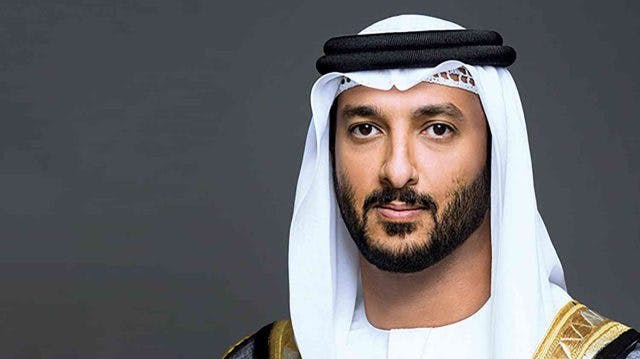
His Excellency Abdullah Bin Touq Al-Marri, Cabinet Member and Minister of Economy
- The UAE intends to double its economy in the next decade, with 6-7% yearly growth targets
- Economy Minister believes that tokenization is the key to the next generation of growth
Just as the United Arab Emirates transitioned away from an oil-dependent economy to one that’s driven by finance and services, its Minister of the Economy believes that tokenization and the digital economy holds the key to the next decade of growth.
Speaking on a panel during the World Economic Forum’s Global Technology Governance Summit, Abdulla Bin Touq Al Marri, the country’s economy Minister, said that they intend to utilize tokenization for three functions: “facilitating access to capital for issuers, facilitating access to investment for investors, and fractionalization of assets.”
“In our digital age, tokenization compliments the information-based technology as a decentralized way of capital allocation,” the Minister said. “The UAE is putting regulation into gear to open our economy for tokenization.”
His comments come as many nations gear up their central bank digital currency (CBDC) efforts. The Bank of Japan recently began a year-long CBDC pilot, while Thailand intends to kick-off its project during the second quarter of next year. Sweden recently completed the first phase of its ‘E-Krona’ CBDC tests but the bank concluded that more tests are needed to ensure its ability to scale and protect user privacy.
Al Marri said that the UAE would create a digital asset to assist in the financing of its post-Covid recovery, also noting that the tokens could serve as a debt issuance for small businesses.
“There are numerous entities in the UAE which play a pivotal role in the economy, but have limited access to diverse means of funding,” he said during the panel, adding that a regional token exchange is in the works.
Admittedly there are many unanswered questions about the intersection of digital assets and regulation, Al Marri mentioned, like monthly maintenance fees on an apartment with fractionalized ownership or what happens when a tokenized asset is stolen.
“We understand the challenges as such, but we are experimenting, and allowing the UAE to be a site of experimentation,” he said.