Alameda Sues Grayscale, DCG, Silbert Over Fee Structure
Alameda claims Grayscale’s fee structure and lack of redemption options has lowered the value of Alameda’s shares by 90%
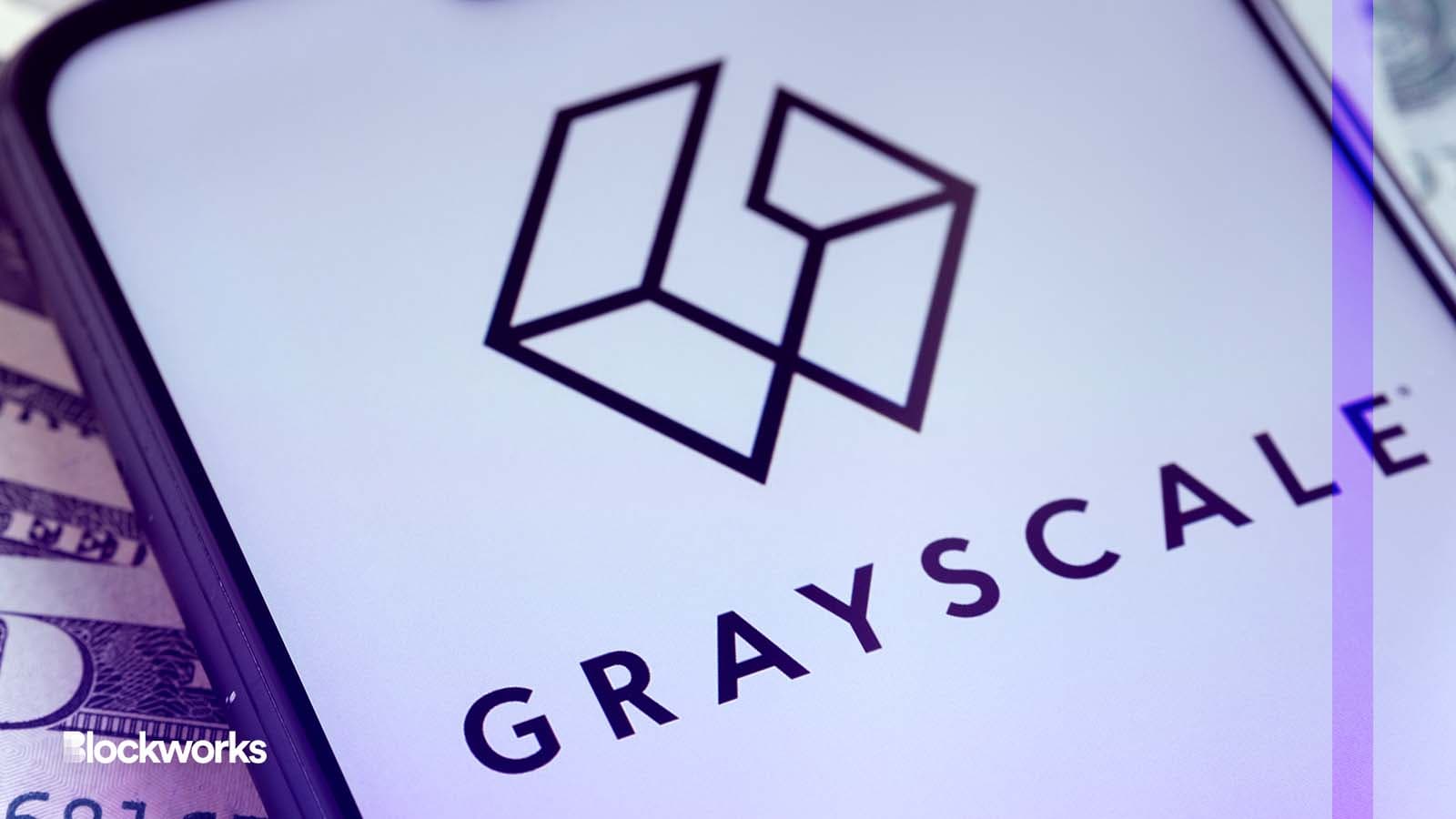
Ascannio/Shutterstock.com modified by Blockworks
FTX debtor Alameda Research is suing Grayscale, Digital Currency Group and CEO Barry Silbert in an effort to recover share value.
Alameda claims Grayscale’s fee structure and failure to allow investors to redeem shares in its trust products has lowered the value of Alameda’s shares by 90%, the company said in a statement Monday. The lawsuit was filed in the Court of Chancery in Delaware, a non-jury trial court that primarily deals with trust and property litigation.
“The FTX Debtors are seeking injunctive relief to unlock $9 billion or more in value for shareholders of the Grayscale Bitcoin and Ethereum Trusts (the “Trusts”) and realize over a quarter billion dollars in asset value for the FTX Debtors’ customers and creditors,” Alameda wrote in the statement.
“We will continue to use every tool we can to maximize recoveries for FTX customers and creditors,” John Ray, CEO and chief restructuring officer of the FTX Debtors, said in the statement. “Our goal is to unlock value that we believe is currently being suppressed by Grayscale’s self-dealing and improper redemption ban.”
Alameda claims Grayscale has collected $1.3 billion in management fees, which violates its Trust agreement. The sister company to bankrupt FTX says its Grayscale shares would be worth $550 million with a lower fee structure.
It’s flagship bitcoin fund, GBTC, has traded at a steep discount — more than 40% — to it’s net asset value.
“The lawsuit filed by Sam Bankman-Fried’s hedge fund, Alameda Research, is misguided,” a Grayscale spokesperson told Blockworks. “Grayscale has been transparent in our efforts to obtain regulatory approval to convert GBTC into an ETF — an outcome that is undoubtedly the best long-term product structure for Grayscale’s investors.”
“We remain confident in the common sense, compelling legal arguments that will be argued tomorrow before the D.C. Court of Appeals,” the spokeswoman added, referring to the oral arguments in Grayscale’s case against the SEC slated to start Tuesday.
Get the news in your inbox. Explore Blockworks newsletters:
- The Breakdown: Decoding crypto and the markets. Daily.
- 0xResearch: Alpha in your inbox. Think like an analyst.