Colorado DMV taps PayPal to facilitate crypto payments
The state’s Department of Motor Vehicles accepts payments in crypto assets supported by PayPal
Casablanca Stock/Shutterstock, modified by Blockworks
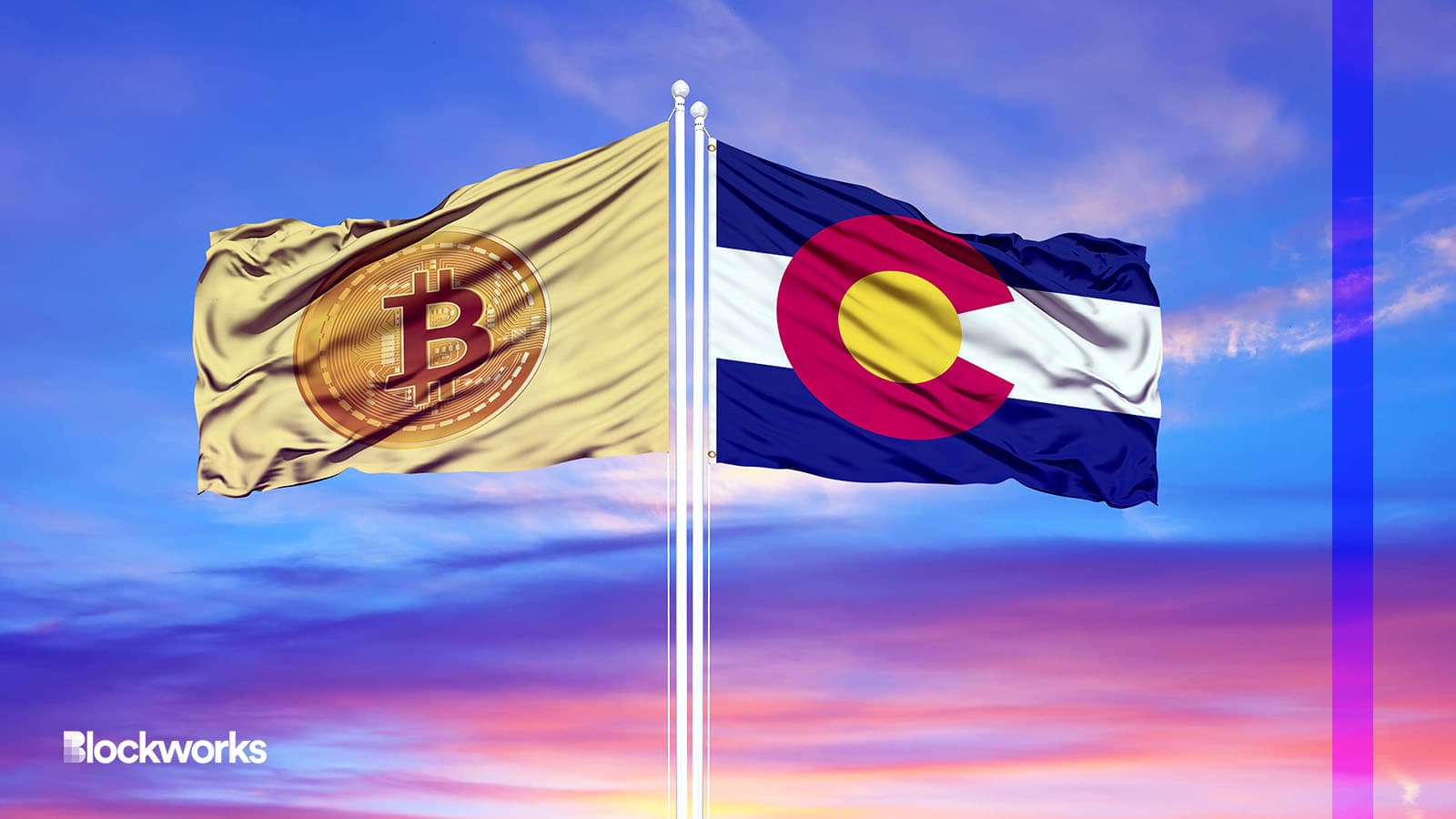
The Colorado Division of Motor Vehicles (DMV) said Thursday it has begun accepting crypto as payment for online services as the state continues its drive to find use cases for the asset class.
DMV customers can now use PayPal crypto to pay for driver’s licenses, vehicle registrations, and other services, according to a statement.
To pay with crypto, customers will be directed to PayPal, where they can select the asset they want to use. PayPal will then convert the crypto to dollars and remit the payment to the DMV.
There is a service fee of $1 plus 1.83% of the DMV total for paying in cryptocurrency. PayPal fees may also apply. PayPal is the only provider accepted at this stage, the DMV said.
A “sufficient” sum of crypto is exchanged for dollars to encompass both the transaction and associated fees, which is then forwarded to the DMV to finalize the online process.
“We’re always looking for ways to better serve Coloradans and leverage technology to offer our services,” said Electra Bustle, senior director of the DMV.
“This new online cryptocurrency payment option is yet another way the DMV is providing innovative and convenient service delivery to our customers.”
The DMV is the first government agency in Colorado to accept cryptocurrency. Other states, including California, Florida, and New York, are also considering accepting crypto payments.
Early last year, Colorado became the first state to accept the asset class as a form of payment on tax receipts. PayPal, which recently launched its own stablecoin to much fanfare, was tapped as the payment provider for tax payments as well.
While the initiative was initially praised as a progressive and forward-thinking approach, early reports indicate adoption for that particular use case has been slow.
The tech-savvy state also took the mantle of being the first to implement blockchain for government infrastructure back in 2019 following the passage of the state’s Cyber Coding Cryptology for State Records Act the year before.
The city of Denver also held the first US election with blockchain technology for overseas ballots, Blockworks was told last year.
Get the news in your inbox. Explore Blockworks newsletters:
- The Breakdown: Decoding crypto and the markets. Daily.
- 0xResearch: Alpha in your inbox. Think like an analyst.