CFTC Racked Up Crypto Enforcement Record in Past Year
The CFTC said Thursday that 20% of its 82 enforcement actions for the 2022 fiscal year dealt with crypto industry
Source: Shutterstock
- Around 18 digital-asset-related actions have been undertaken from June 2021 to June 2022, the regulator said
- The CFTC’s posturing highlights an ongoing power struggle between itself and the SEC over how crypto should be regulated
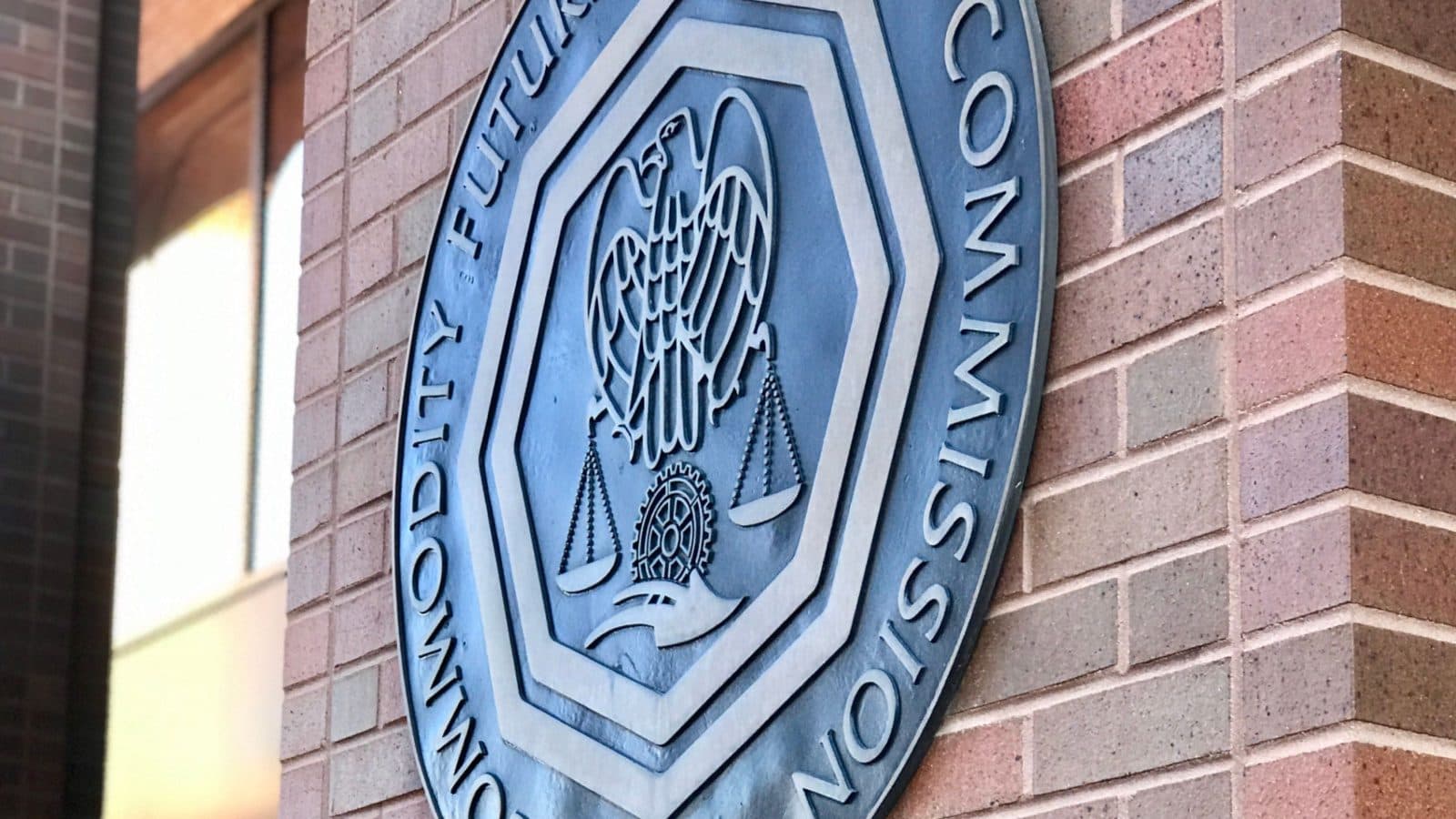
The Commodity Futures Trading Commission (CFTC) said Thursday the crypto industry made up more than 20% of all enforcement cases filed for the 2022 financial year, as questions over which US regulator should police digital assets remain front and center.
Around 18 actions relating to digital assets were executed for the year reported, the commission said, including against the operators of the Digitex Futures exchange and Gemini’s alleged “false and misleading” statements relating to its application for a bitcoin futures contract in 2017.
Debate over which US regulator — the CFTC or the Securities and Exchange Commission (SEC) — should be the one charged with the industry’s oversight stems from arguments around the asset class’ definition as either a commodity or a security.
The SEC — charged with overseeing securities regulation in the US — wants full control over how it polices most of the privately created digital coins on the market, including stablecoins.
It draws its reasoning from a more than 80-year-old Supreme Court case and seeks to apply that same reasoning to digital assets, which, according to some, is not without its pitfalls.
The CFTC, meanwhile, is also vying for that same control, as it would bring additional revenue to the respective agencies whilst bolstering their mandates over certain financial instruments.
CFTC and SEC battle for King of the Hill
In a surprising move, SEC chair Gary Gensler last month said he would be happy for the CFTC to regulate bitcoin — the world’s largest crypto by market capitalization — and “other non-security tokens” while his agency had the pick of the rest.
For years, the SEC has attempted to define crypto as securities, which would bring most crypto under its purview. The regulator has pursued legal action against several high-profile industry-related firms including Ripple Labs, whose legal fight still lingers, pending an outcome in a US district court.
Earlier this year, the regulator alleged in a complaint against a former Coinbase product manager that nine crypto tokens were securities, seemingly a bid to establish a legal precedent over the asset class.
Regardless, the CFTC continues to plow ahead in its own ambition to be the premier industry regulator. Last month, the commission simultaneously filed and settled its case against decentralized autonomous organization bZeroX DAO and its founders for facilitating margined and leveraged retail commodity transactions.
That marked the first time the CFTC had brought an action against a DAO.
A week later, a Judge ruled the CFTC had sound legal footing to serve a summons to bZeroX DAO successor, Ooki DAO, through its online help chat box. That action raised eyebrows among lawyers working with the industry.
While the debate over how to define crypto continues, it is ultimately up to congress to decide which regulator will take the reins.
Senators in August introduced their Digital Commodities Consumer Protection Act, suggesting the CFTC should be the one to control crypto’s spot markets, namely bitcoin and ether but potentially others.
With mounting cases brought against defendants in the 2022 financial year, the CFTC, at least for now, could be demonstrating its willingness to heed that call.
Get the news in your inbox. Explore Blockworks newsletters:
- The Breakdown: Decoding crypto and the markets. Daily.
- 0xResearch: Alpha in your inbox. Think like an analyst.