Marc Andreessen: Ethereum and Web3 Lead Bitcoin on Tech Innovation
A16z founding partner admits that several of his crypto investments haven’t taken off, but he expects them to, eventually
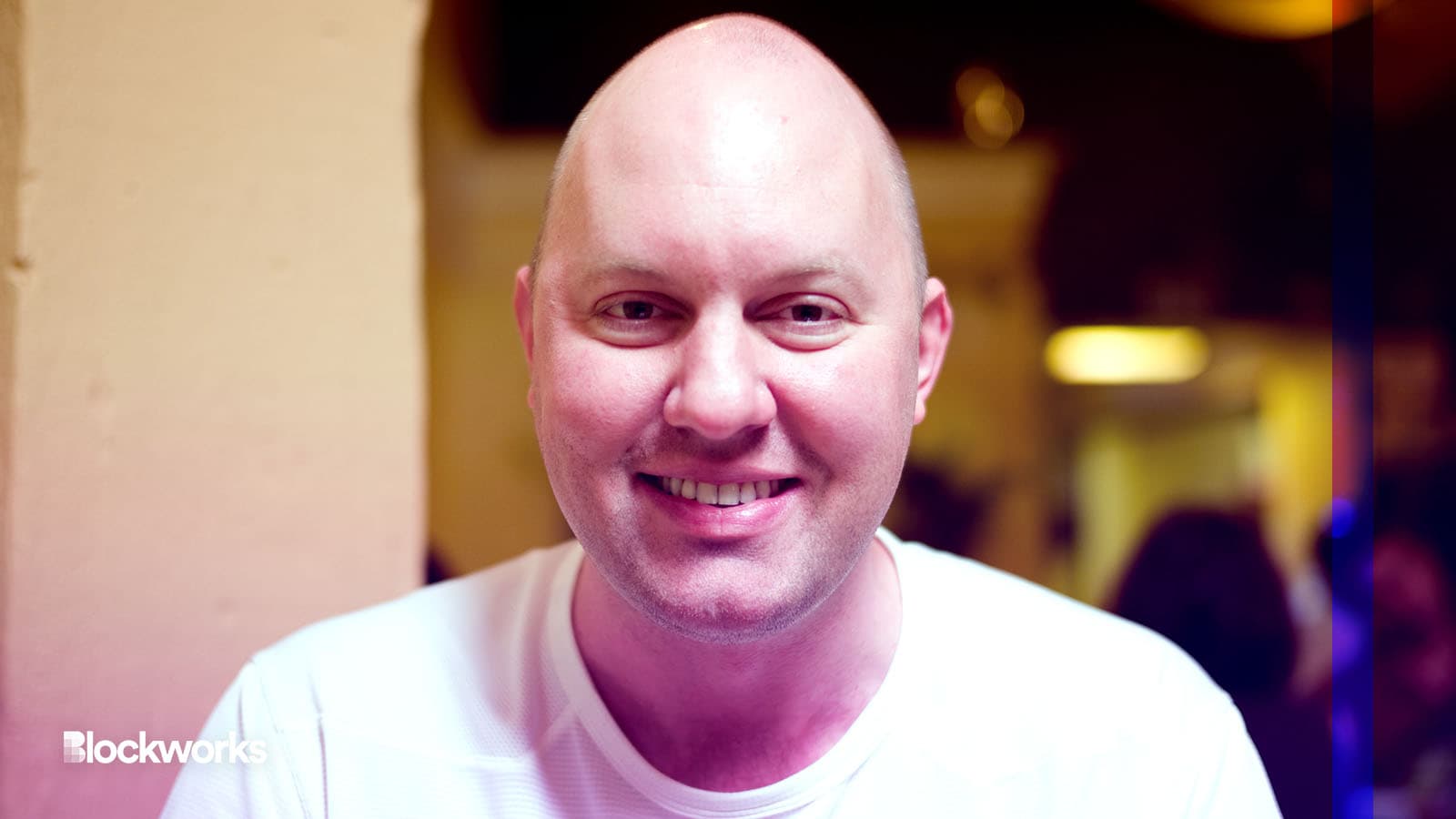
Source: Joi, CC BY 2.0, via Wikimedia Commons
Marc Andreessen, best known for co-founding web browser Netscape and Silicon Valley venture capital fund a16z, is still invested in the crypto industry, even though his expectations around Bitcoin didn’t pan out.
In 2014, Andreessen predicted that the world would be talking about Bitcoin the same way they did about the internet. The tech investor may have now changed his mind somewhat, but is still heavy on the industry as a whole.
He told Reason Magazine in an interview published Wednesday that, back then, he thought Bitcoin was a tech innovation that would develop to support several other applications just like the internet, but that it “basically stopped evolving.” He now has his sights set on Ethereum being at the core of transformation.
“What happened was a bunch of other projects emerged and took that place, and the big one right now is Ethereum. I would either say Ethereum instead of Bitcoin, or I would just say crypto or Web3 instead of Bitcoin,” he said.
According to the early Facebook investor, Web3 has all the features of the internet that people knew they wanted to have when the internet was originally built.
“[Web3] is all the aspects of basically being able to do business and be able to have money and be able to do transactions and have trust,” he said. “We did not know how to use the internet to do that in the 90s. And now, with this technological breakthrough of the blockchain, we now know how to do that, we have the technological foundation to be able to do that.”
A16Z launched a $4.5 billion crypto fund in 2022, which was touted as the largest-ever crypto-venture fund. The firm’s flagship crypto fund, launched in 2018, lost 40% in the first half of 2022 as they faced a battering. The VC’s portfolio counts projects like Alchemy, Aptos, Avalanche, Chia, Compound, Coinbase, Lido, Mysten Labs and Yuga Labs.
Andreessen didn’t touch upon the bear market that lasted most of 2022, but said the potential of the industry is “extraordinarily high” and that there are “tonnes of really smart entrepreneurs” pursuing various opportunities.
“A lot of those things have worked, some of those things haven’t worked yet, but I think that they’re going to work,” he said.
Get the news in your inbox. Explore Blockworks newsletters:
- The Breakdown: Decoding crypto and the markets. Daily.
- 0xResearch: Alpha in your inbox. Think like an analyst.