MetaMask Partners With Lido, Rocket Pool To Enable ETH Staking
Users will also be able to convert stETH and rETH back to ETH through MetaMask Swaps
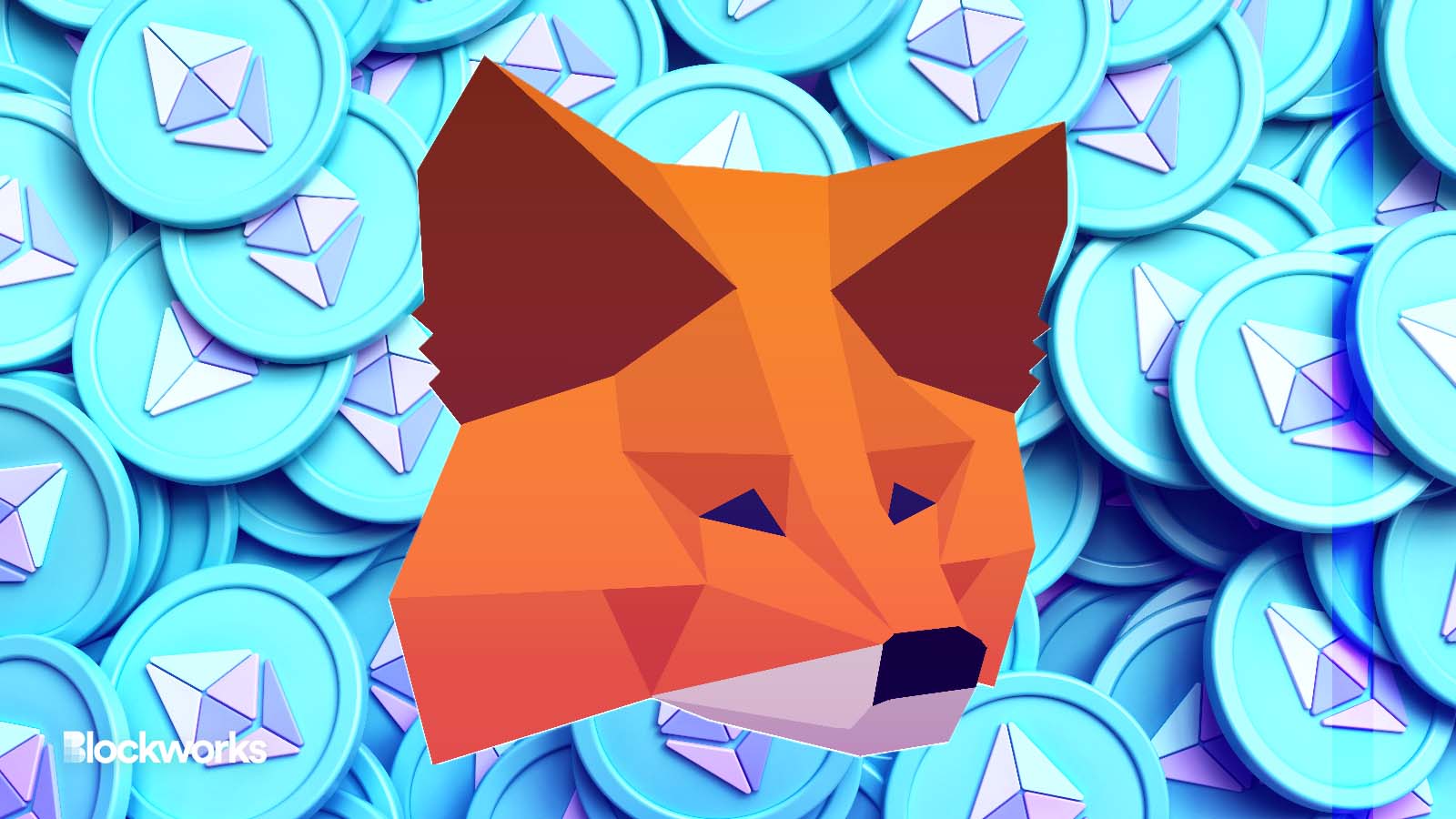
HFA_Illustrations and David Sandron/Shutterstock.com modified by Blockworks
Staking will now be available directly on popular cryptocurrency wallet MetaMask.
Blockchain software developer ConsenSys revealed today that its portfolio company, MetaMask, will be partnering with liquid staking providers Lido and Rocket Pool to allow its users to directly stake crypto through its browser-based and mobile wallets.
A beta version of MetaMask Staking has been made available on the MetaMask app, and users can stake ETH on Lido and Rocket Pool and view their corresponding tokens (stETH and rETH).
Users can also convert their stETH and rETH back to ETH through MetaMask Swaps, but this will be subject to certain charges, the company noted.
Since moving from proof-of-work to proof-of-stake in September last year, staking has become an integral part of the Ethereum mainnet.
Generally speaking, staking cryptocurrencies involves locking a select amount of cryptocurrency in a wallet or staking platform to participate in validation of transactions.
Users who choose to stake their cryptoassets receive a portion of transaction fees or inflation rewards — in the case of Ethereum, these rewards will not be withdrawable until the Shanghai upgrade in March.
Due to these changes, Abad Mian, Product Manager at MetaMask told Blockworks, “it’s an exciting time for Ethereum and the Web3 ecosystem.”
Staking is a critical piece of Ethereum and Web3 infrastructure, and MetaMask is thrilled to provide users with an easy and convenient way to connect with staking providers through the Portfolio dapp,” Mian said.
As staking can often be a complicated process for users, MetaMask hopes that its latest update can become an entry point for people who are interested in staking, but aren’t interested in learning how to launch their own validator node.
This latest feature has been highly requested by MetaMask users and will be available to both users of the browser extension and mobile users, Mian said.
“Through this new feature, users can compare the rewards rate, network control, and popularity of different liquid staking providers and choose the one they want to stake with, aiding the security and decentralization of the network,” the company said in a statement.
Get the news in your inbox. Explore Blockworks newsletters:
- The Breakdown: Decoding crypto and the markets. Daily.
- 0xResearch: Alpha in your inbox. Think like an analyst.