SEC files lawsuit against crypto market-maker Cumberland DRW
The US regulator accused the crypto market-making firm of acting as an unregistered dealer
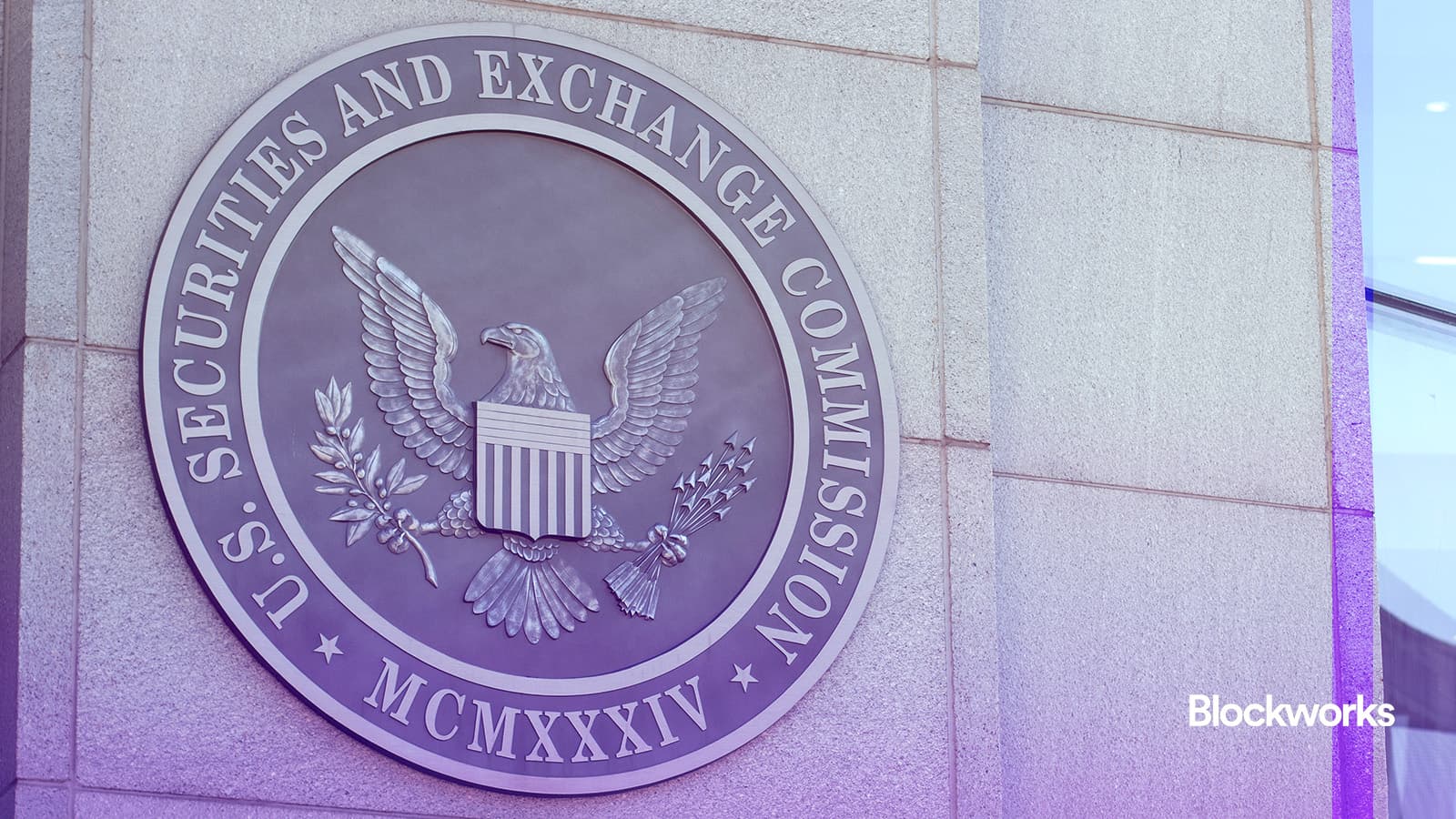
Tada Images/Shutterstock modified by Blockworks
The US Securities and Exchange Commission has charged the crypto market-maker Cumberland DRW with acting as an unregistered dealer.
The agency, which revealed the charges Thursday, alleged that the Chicago-based firm has been “operating as an unregistered dealer in more than $2 billion of crypto assets offered and sold as securities.”
“Despite frequent protestations by the industry that sales of crypto assets are all akin to sales of commodities, our complaint alleges that Cumberland, the respective issuers, and objective investors treated the offer and sale of the crypto assets at issue in this case as investments in securities, and Cumberland profited from its dealer activity in these assets without providing investors and the market with the important protections afforded by registration,” Jorge G. Tenreiro, acting chief of the agency’s crypto assets and cyber unit, said in a statement.
In the complaint, the SEC alleged that the firm “has made available for trading many crypto assets offered or sold as investment contracts and, therefore, as securities.” The agency cited POL (formerly MATIC), SOL, FIL, ALGO and ATOM.
Read more: SEC’s Mango settlement reiterates its case that SOL is a security
Such inclusions are likely to spur further criticism of the agency, given the SEC’s recent step back from the use of the term “crypto asset securities” in some of its more high-profile court cases. The SEC’s critics have accused the agency of specifically targeting the crypto sector.
Cumberland echoed those complaints in a statement published Thursday, in which the market maker pledged to defend itself. The firm said it had become “the latest target of the SEC’s enforcement-first approach to stifling innovation and preventing legitimate companies from engaging in digital assets.”
“We are not making any changes to our business operations or the assets in which we provide liquidity as a result of this action by the SEC,” Cumberland said. “We are confident in our strong compliance framework and disciplined adherence to all known rules and regulations — even as they have been a moving target (it wasn’t long ago ETH was claimed to be a security).”
Get the news in your inbox. Explore Blockworks newsletters:
- The Breakdown: Decoding crypto and the markets. Daily.
- Empire: Crypto news and analysis to start your day.
- Forward Guidance: The intersection of crypto, macro and policy.
- 0xResearch: Alpha directly in your inbox.
- Lightspeed: All things Solana.
- The Drop: Apps, games, memes and more.
- Supply Shock: Bitcoin, bitcoin, bitcoin.