Binance says the SEC can’t use DOJ plea deals as proof of guilt
The SEC, in an early December filing, argued that the DOJ’s settlement with Binance and Changpeng Zhao showed the two “deliberately” violated US law
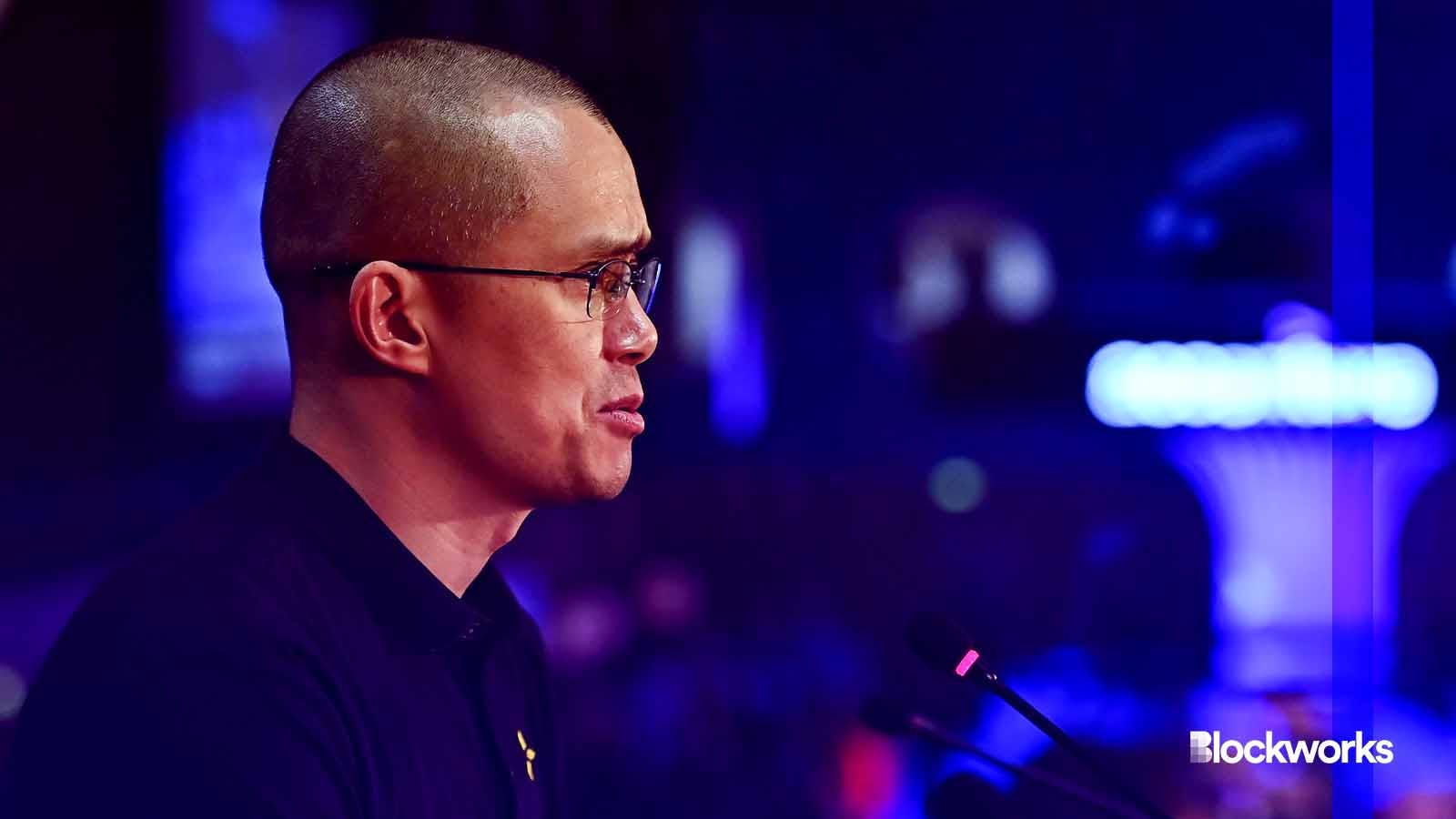
Binance co-founder Changpeng Zhao | Ben McShane/Web Summit via Sportsfile/"BE6_1549″ (CC license)
Despite its settlement with the US Department of Justice, Binance’s legal team continues to fight the US Securities and Exchange’s case against the crypto exchange.
In a filing from late Tuesday, lawyers representing the exchange argued that the SEC made “misleading” claims.
They also called the SEC’s prior filing — which asserted that the DOJ’s plea deals with Binance and former CEO Changpeng Zhao proved the two “deliberately” tried to “subvert US law” — “procedurally improper and impermissible.”
In November, the DOJ announced a $4.3 billion settlement with Binance that also ousted Zhao from his role as CEO. Both Zhao and Binance entered plea deals, pleading guilty to violating the Bank Secrecy Act.
Read more: Here are the details of Binance and Changpeng Zhao’s plea deal
The SEC, in its early December filing, claimed that the plea deals “undermine Zhao’s and Binance’s arguments that the SEC’s claims relating to the Binance.com Platform involve non-actionable extraterritorial conduct.”
Binance filed a motion to dismiss the SEC’s lawsuit in September, arguing that the Commission didn’t “plausibly” allege securities violations and that it was overstepping its regulatory reach.
But the use of the plea deals, the lawyers argue, is not enough to excuse the SEC from fair notice. Basically, Binance is arguing that the SEC never gave it a heads up that the crypto assets it claims are securities, or that fair notice was provided under the Securities and Exchange Acts.
“The history of regulation by other agencies only underscores the lack of notice of any relevant regulatory authority on the part of the SEC,” Binance argued.
“The SEC’s effort to benefit from other agencies’ resolutions under a different statutory regime is another example of its refusal to accept Congress’s decision to assign authority over the kinds of assets at issue here to other agencies.”
Additionally, the claims that the SEC made about Merit Peak — the market maker owned by Zhao — settled billions in US-based transactions are not entirely accurate, since the allegations were made initially by FinCEN and were neither “admitted nor denied” by either Binance or Zhao.
Binance’s lawyers added that the exchange admitted to using a US-technology service provider to store data, host the website and operate the platform, but failed to add that the provider did all of this “on servers in Japan.” The SEC only claimed that the provider was US-based.
“A plea agreement that supports jurisdiction for a charge of failing to maintain an adequate anti-money-laundering program under the BSA says nothing about registration obligations under federal securities law, nor does it say anything about any role in the alleged conduct of securities transactions or listing of assets alleged to be securities,” Binance said.
Get the news in your inbox. Explore Blockworks newsletters:
- The Breakdown: Decoding crypto and the markets. Daily.
- 0xResearch: Alpha in your inbox. Think like an analyst.