Circle Taps Deloitte as New Auditor, Doubles Down on Proof of Reserves
Circle, who for years partnered with firm Grant Thornton for its audits, makes the switch to Deloitte as various accounting firms express concern over working with crypto companies
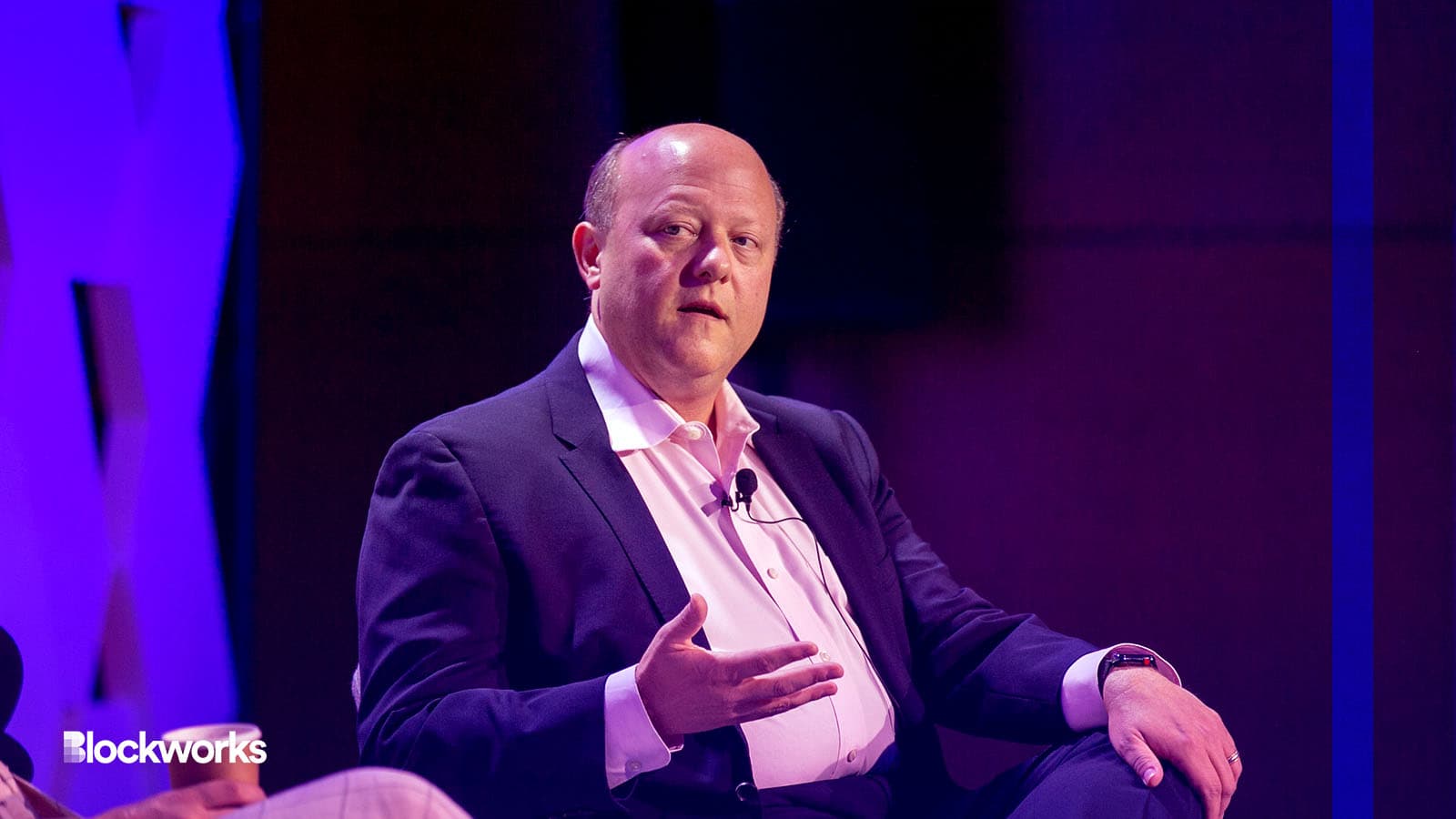
Jeremy Allaire Circle CEO (CC BY-NC-SA 2.0); Source: World Economic Forum / Faruk Pinjo, modified by Blockworks
Circle, the company behind the USDC stablecoin, released its “state of the USDC economy” report, in which it emphasized the importance of dollar-backed cryptos and attempted to ease worries about the state of its reserves.
“Our history of pioneering transparency underscores our commitment to providing USDC holders and the general public with open, timely reporting on how we minimize risk and maintain liquidity in the USDC reserve,” Circle said in the report, released Tuesday.
Circle said it will now partner with Deloitte, Coinbase’s accounting firm of choice, for audits on its proof of reserves. A Binance spokesperson told Blockworks in December they were under the impression the “Big Four” accounting firms — known to be Deloitte, Ernst & Young, KPMG and PricewaterhouseCoopers — were “currently unwilling” to conduct a proof-of-reserves audit for a private crypto company.
Circle, while currently privately held, was considering entry into the public market through a special purpose acquisition partnership (SPAC) with Concord before abandoning its plans last month in the wake of the FTX collapse.
“We are disappointed the proposed transaction timed out, however, becoming a public company remains part of Circle’s core strategy to enhance trust and transparency, which has never been more important,” Circle CEO Jeremy Allaire said in a statement at the time of the announcement.
Circle, who for years partnered with firm Grant Thornton for its audits, makes the switch as various accounting firms have exercised caution over audits of crypto companies.
Mazars Group and Armanino reportedly dropped their crypto clients last month. Mazars, which handled proof-of-reserves audits for exchanges KuCoin, Binance and Crypto.com, elected to stop providing the services because of “concerns regarding the way these reports are understood by the public,” according to reports.
Regulating USDC Reserves
Circle’s report comes as the industry continues to wait for more regulatory guidance from Congress, which will likely come to the stablecoin sector first, experts said.
“The first Congressional focus point will no doubt be stablecoins,” Katherine Dowling, general counsel and CCO at Bitwise Asset Management, told Blockworks last week.
Stablecoin regulation, namely about reserve reporting and liquidity requirements, has been a long time coming, Dowling said, pointing to the bipartisan bill lawmakers failed to pass last session. With much of the legwork already done, Dowling said stablecoin legislation has the potential to be an early win for Congressional members looking to solidify some sort of crypto policy.
“Regardless of where members of congress are on the crypto spectrum — pro or con — or on the learning curve, there is a general sense that something must be done here,” Dowling said.
Allaire agreed, noting in the report that Circle is prepared on a regulatory front and is watching developments closely.
“Policymakers globally are sharpening their focus, ushering in much-needed regulation for how trusted digital currencies can be supervised — in a consistent and harmonized manner — by banking and payments regulators,” Allaire wrote.
Get the news in your inbox. Explore Blockworks newsletters:
- The Breakdown: Decoding crypto and the markets. Daily.
- 0xResearch: Alpha in your inbox. Think like an analyst.