South Korea Issues Arrest Warrant for Terra CEO Do Kwon: Report
South Korean prosecutors are now formally seeking the arrest of Terraform Labs founder Do Kwon for allegedly violating securities laws
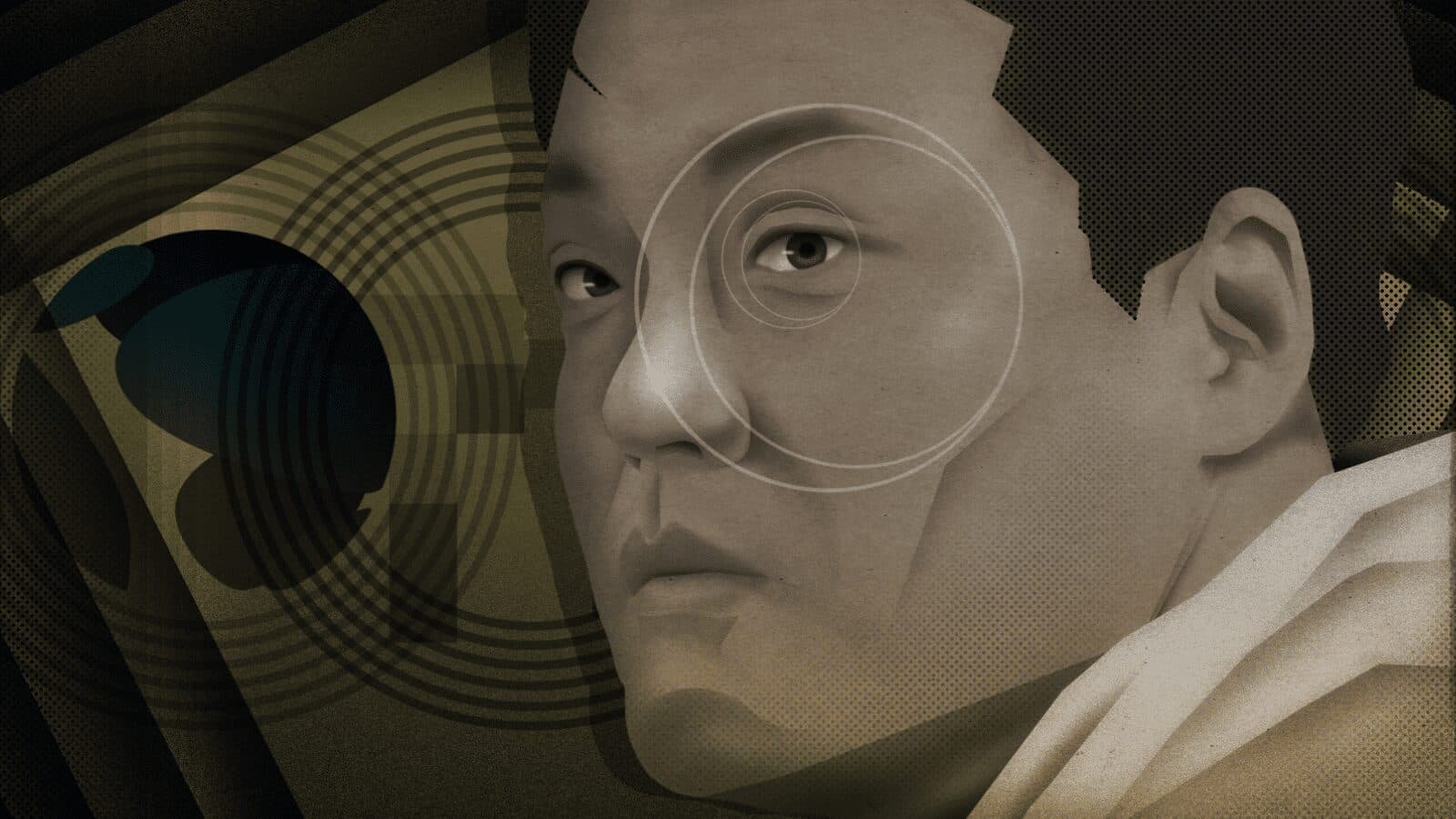
Blockworks Exclusive Art by Axel Rangel
- Arrest warrants for Do Kwon and other key Terra employees will be sent to the Interpol Red Notice system
- Kwon is believed to be residing in Singapore but could face extradition to South Korea
A South Korean court has issued an arrest warrant for Terraform Labs founder Do Kwon, some four months after the Terra ecosystem’s implosion.
Local outlet Chosun reported on Wednesday that a team from the Seoul Southern District Prosecutor’s Office also issued arrest warrants for other employees, including Nicholas Platias, a former head of research at Terra, and staff member Han Mo. All three are believed to be currently residing in Singapore.
Caetano Manfrini, an attorney for Brazil-based GEMMA Ecosystem, tweeted that arrest warrants were issued for a total of five affiliates, including Kwon. Their information will be sent to Interpol’s Red Notice, which enables their arrest in multiple jurisdictions and could result in extradition, he added. The warrants are valid for one year.
The charges levied against them are reportedly tied to violations of capital market laws. On Monday, word broke that South Korean prosecutors were considering classifying Terra’s luna token as a security, which would open Kwon and other Terraform Labs developers up to violations of the country’s Capital Markets Act, formerly the Securities and Exchange Act, which regulates investment products.
The Seoul prosecutor’s office didn’t return Blockworks’ request for comment by press time.
Seoul-headquartered Terraform Labs came under investigation after the infamous fall of TerraUSD (UST), the algorithmic stablecoin that dramatically de-pegged from the US dollar in May.
After its collapse, almost $45 billion was wiped off the market values of UST and its sister coin luna over just seven days, CoinGecko data showed, and triggered a liquidity crunch that contributed to bankrupting a number of crypto lenders and hedge fund firms, namely Celsius, Voyager and Three Arrows Capital.
In his first interview since the crash, Do Kwon said he neglected the risks of UST. “In hindsight, I think we should have been more skeptical,” he told Coinage’s Zack Guzman.
In the aftermath of the stablecoin’s toppling, prosecutors blocked Terraform employees from leaving South Korea during investigations. At the time, Do Kwon had already left the country and reports claimed his passport could be invalidated. During the probe, other local crypto exchanges were raided in order to establish possible links to Terraform Labs.
Get the news in your inbox. Explore Blockworks newsletters:
- The Breakdown: Decoding crypto and the markets. Daily.
- 0xResearch: Alpha in your inbox. Think like an analyst.